




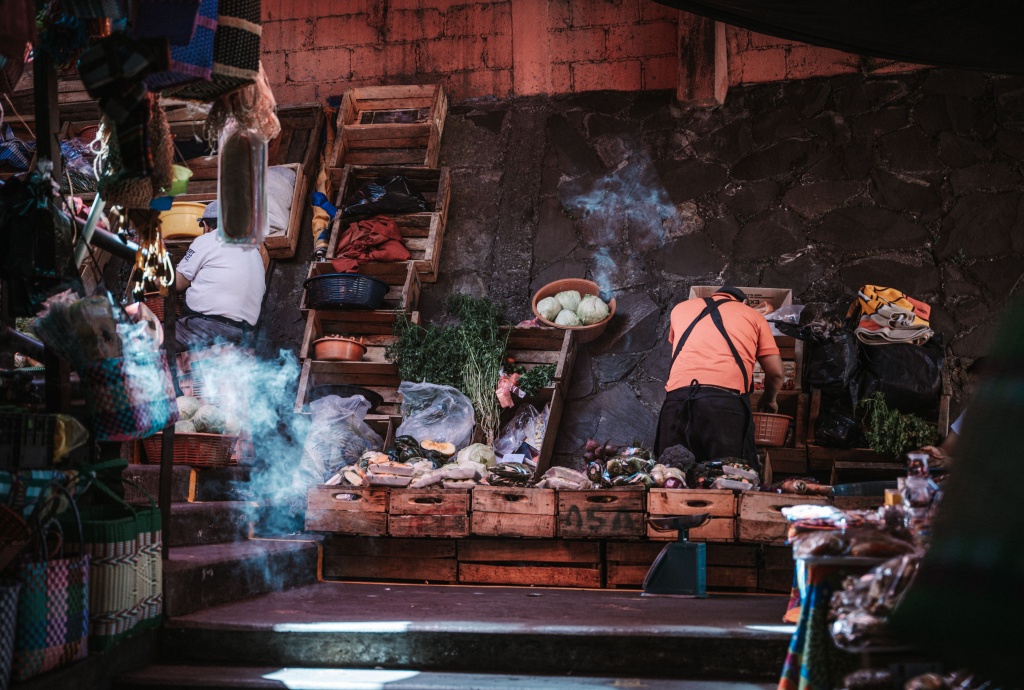
Bali's markets are where the island does its actual shopping. Long before the cafés and concept stores arrived, produce moved through a network of traditional markets that still open before dawn and still set the rhythm of the day for most households here. For anyone living on the island, learning to use them well changes both what you eat and what you spend.
Here is where to go, and what each place is genuinely good for.
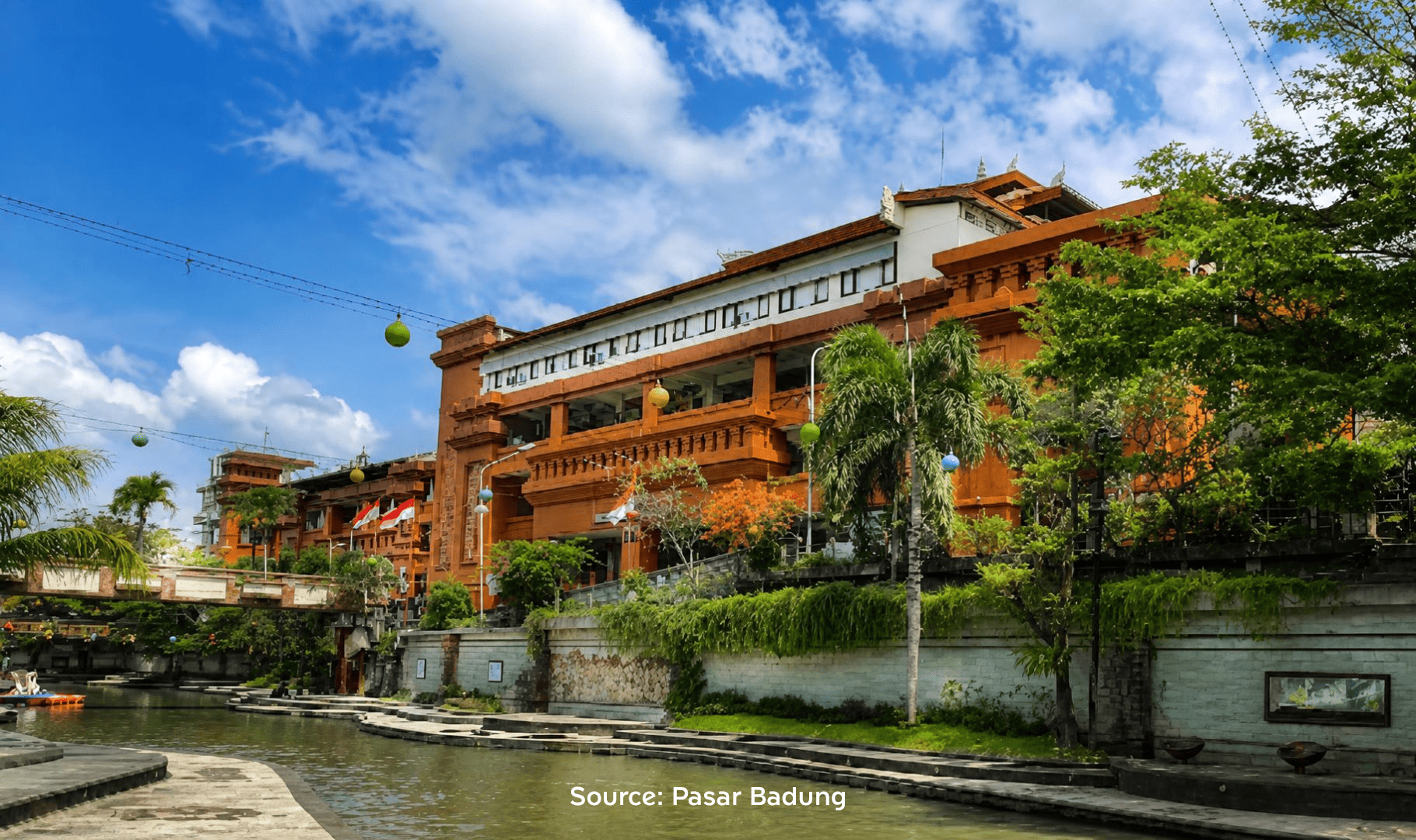
Pasar Badung: The Island's Largest Market
Pasar Badung in Denpasar is the biggest traditional market in Bali and the logical starting point. Spread across several floors beside the Badung River, it runs from early morning with the ground level given over to fruit, vegetables, spices and ceremonial flowers, and the upper floors carrying textiles, household goods and clothing.
Come before 8am if you want the best produce and the coolest air. Prices are negotiable, though less aggressively than at tourist-facing markets, and the vendors here supply restaurants as well as families, so the turnover is fast and the quality reflects it.
Directly across the river sits Pasar Kumbasari, which handles crafts, carvings, sarongs and homewares. The two together make a natural morning: produce on one bank, everything else on the other, with a short bridge between them.
Pasar Kreneng: Evening Shopping in Denpasar
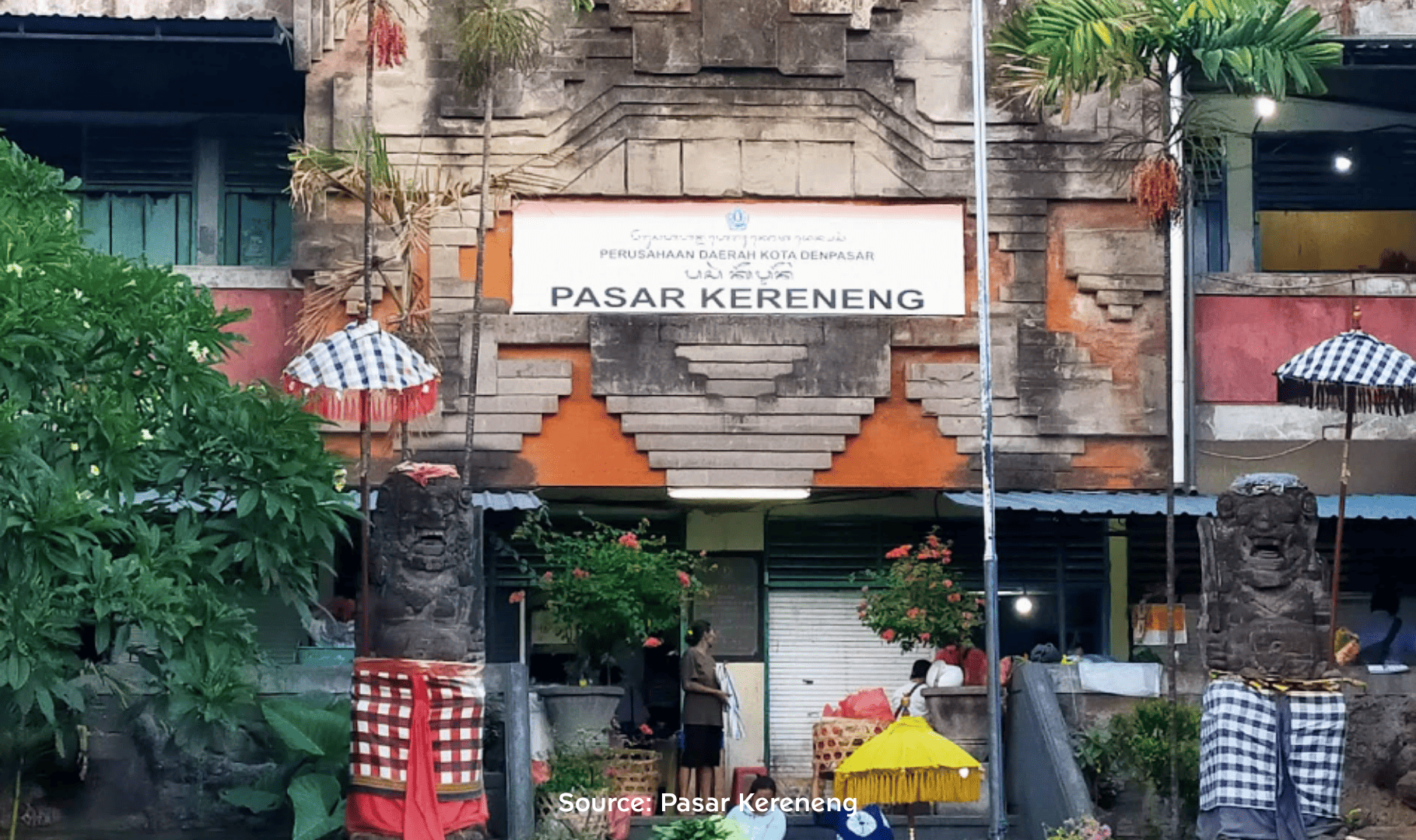
Pasar Kreneng runs on a different clock. It operates as a night market, coming alive in the late afternoon and evening, which makes it the practical option for anyone who works during the day.
The produce selection is solid, but the real draw is the prepared food. Warung stalls set up along the edges serving satay, nasi campur, and grilled corn, and the atmosphere is closer to a neighbourhood gathering than a shopping trip.
Pasar Ubud and Pasar Gianyar
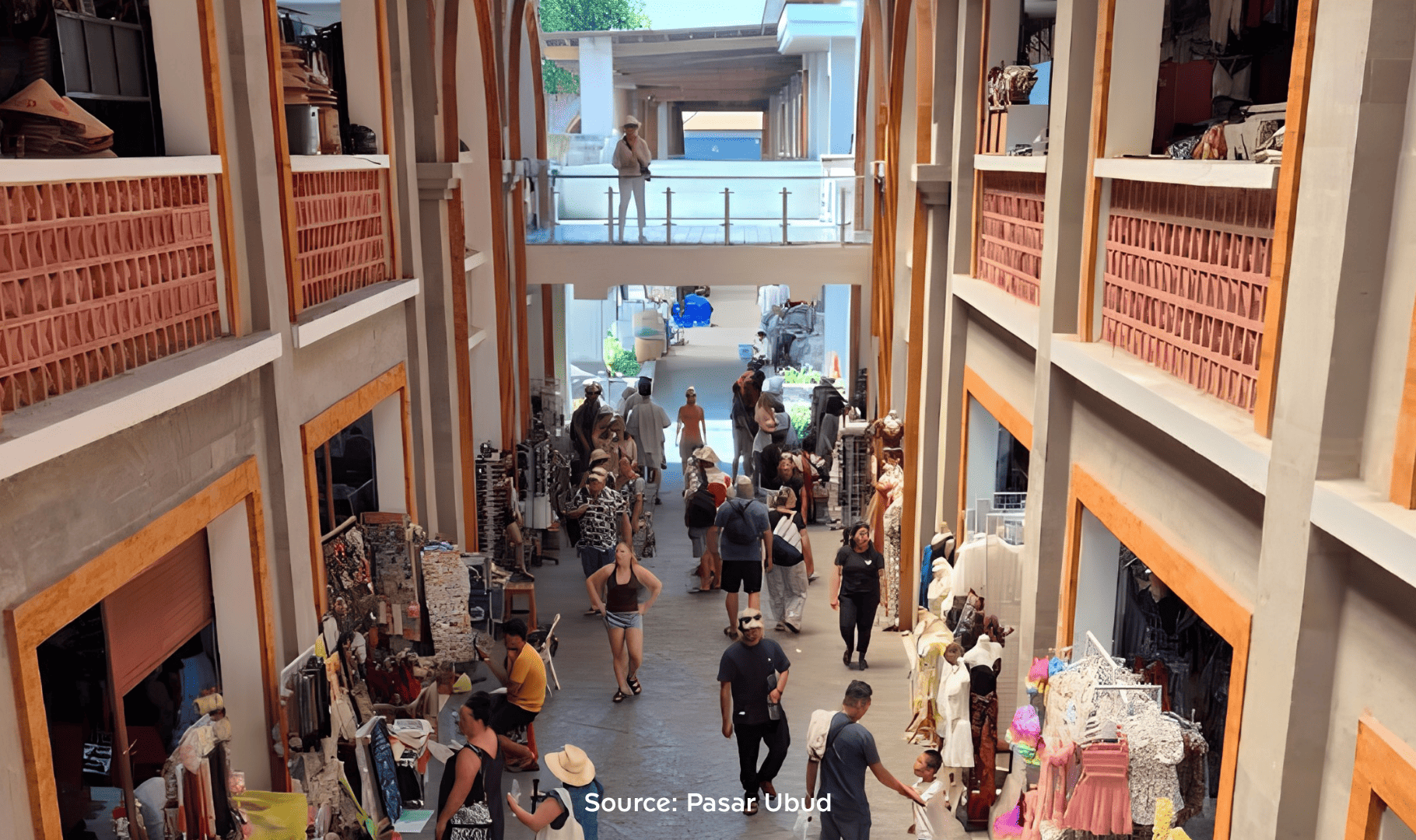
Pasar Ubud sits in the centre of town and splits its day. Early morning is the genuine produce market, busiest between 5am and 9am, when local vendors sell vegetables, fruit, tempeh, and the day's offerings. By mid-morning it shifts toward souvenirs and handicrafts for visitors.
If you want the produce market, arrive early. If you want baskets and textiles, arrive later. Both are worth the trip, but they are effectively two different markets sharing an address.
Pasar Gianyar, twenty minutes east, is less visited and rewards the drive. Its night market has a strong reputation among Balinese for food, particularly babi guling and local sweets, and prices sit noticeably below anything closer to the tourist areas.
Pasar Seni and Pasar Sukawati: Crafts and Art
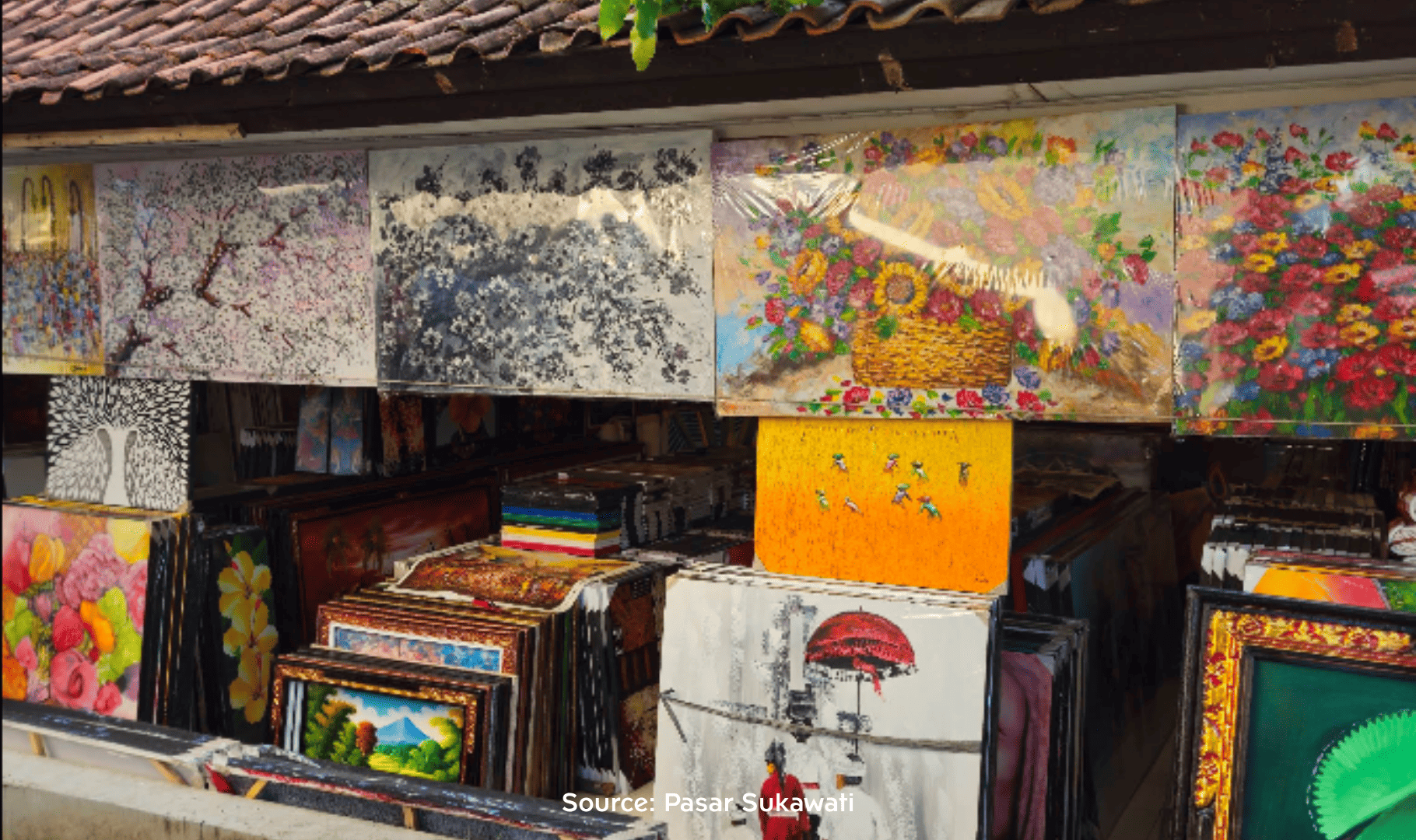
Pasar Seni translates as art market, and the term covers several locations across the island. The best known is Pasar Sukawati in Gianyar, a long-established hub for paintings, wood carving, silver, batik, and the kind of decorative pieces that fill villas across Bali.
Sukawati is where much of the island's souvenir supply originates, which means prices start well below retail. It also means bargaining is expected. A reasonable approach is to open at around half the asking price and settle somewhere in the middle. Go on a weekday morning if you can, as weekends bring tour buses and firmer prices.
Pasar Kedonganan: The Fish Market
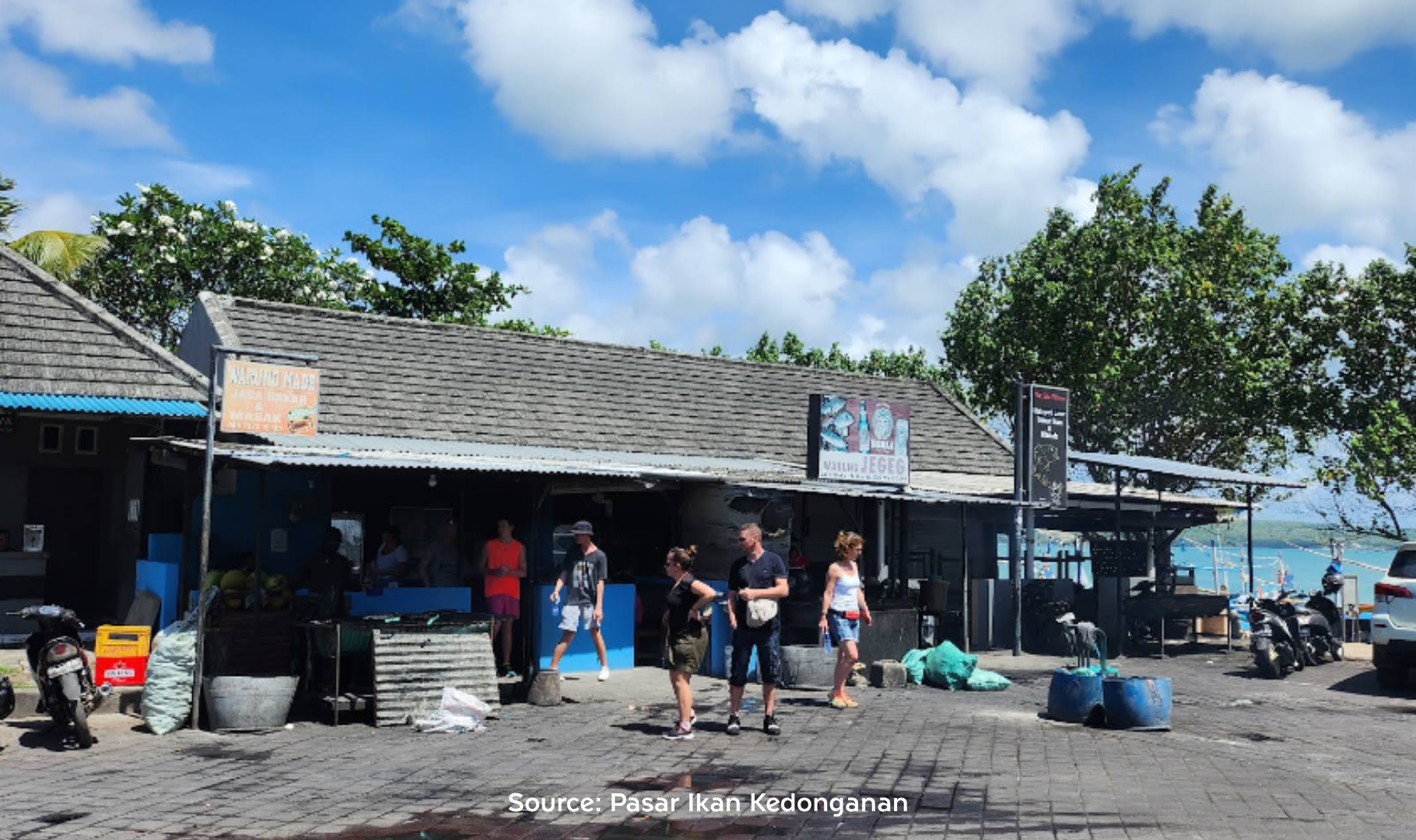
For seafood, Pasar Kedonganan on the Jimbaran coast is the island's main fish market. Boats land their catch in the early morning and the market runs from roughly 6am, with snapper, tuna, prawns, squid and lobster laid out on ice.
The established custom here is to buy your fish and carry it to one of the neighbouring warungs, who will grill it for a small fee and serve it with rice and sambal. It is among the best-value meals in southern Bali, and it happens a few metres from where the fish was landed.
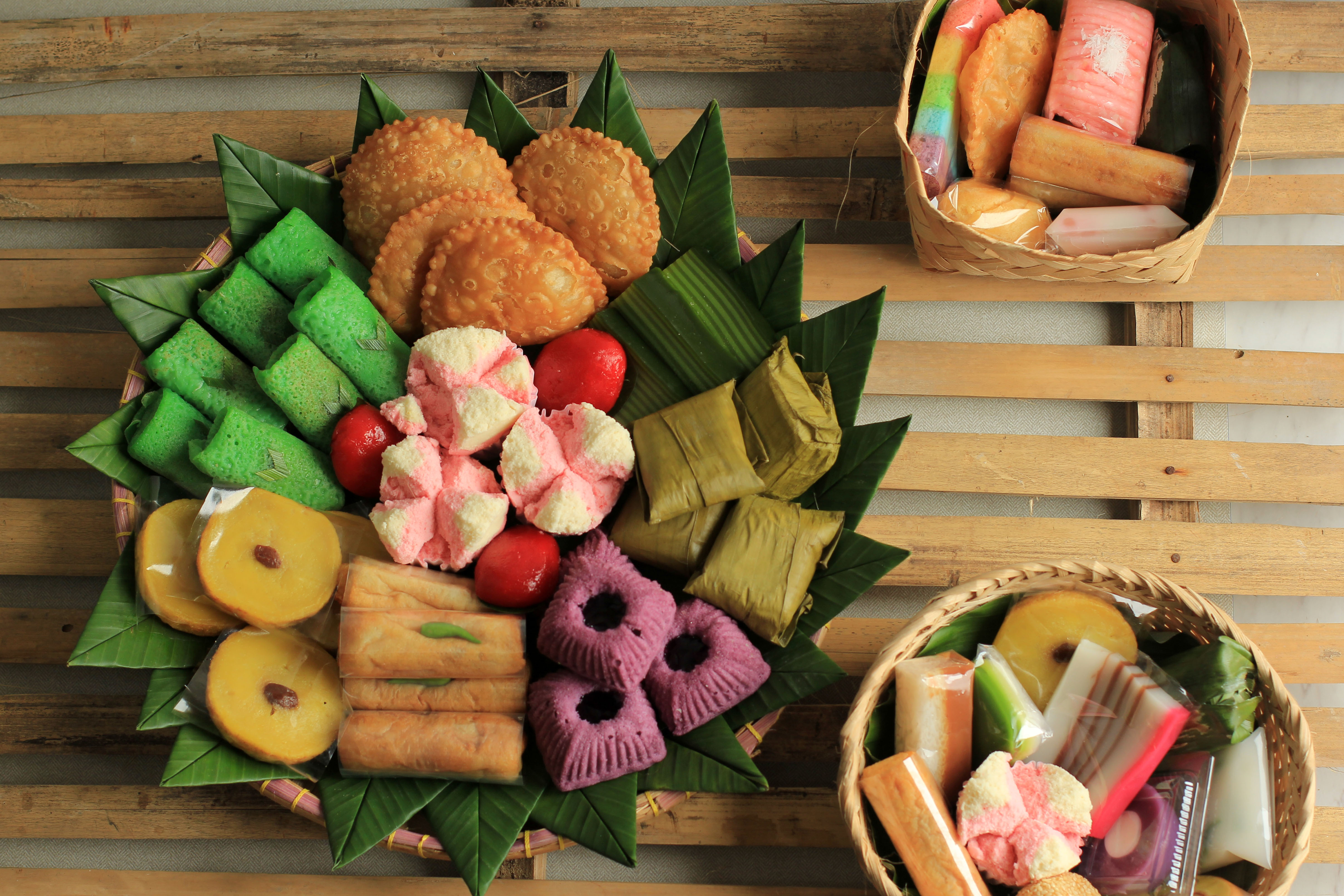
Jajanan Pasar: The Snacks Worth Knowing
No market visit is complete without jajanan pasar, the traditional snacks sold from baskets and glass cases near most market entrances. Klepon, green rice-flour balls filled with palm sugar and rolled in coconut. Dadar gulung, pandan crêpes with sweet coconut. Lapis, layered steamed cake in bright colours.
These sell for a few thousand rupiah each, are usually made that morning, and rarely last past midday. Interest in them has grown sharply over the past year, and they are the easiest and cheapest introduction to Balinese cooking you will find.
Practical Notes
Bring small notes, as vendors rarely carry change for large denominations. Bring your own bags. Go early for produce and late for cooked food. Learn a few numbers in Bahasa Indonesia, which will improve both prices and conversations.
And expect prices to shift with the calendar. In the run-up to Galungan and other ceremonies, demand for fruit, flowers and coconut rises sharply, and so do the rates.
Living close to a good market changes daily life in Bali more than most people expect, and the areas around Denpasar, Kerobokan and Ubud all put one within easy reach. If you are considering a longer stay on the island, it is worth factoring into where you base yourself.
If you are exploring property options in the vibrant Ubud, check out available listings for villas in Ubud.If you are exploring property options in the vibrant Canggu area, check out available listings for villas in Canggu.