Bali has always attracted buyers who want more than a “safe” investment. The pull is lifestyle, upside, and an asset that can be enjoyed. In 2026, that’s still true, but the market is more mature, and the best outcomes usually come from clarity: choosing the right location, using the right structure, and having a realistic plan for rentals or operations.
What’s working in 2026
In 2026, the strongest Bali investment strategies usually follow demand:
-
Short-term villas tend to win in high-demand lifestyle hubs when operations and legality are strong.
-
Mid-term rentals (1-6 months) tend to win where daily-life infrastructure supports longer stays.
-
Business assets (hospitality, wellness, F&B) can outperform, but only with real operating discipline, licensing, and systems.
Bali isn’t one single market, it’s a set of micro-markets like Canggu, Berawa, Pererenan, Seminyak, Uluwatu, Ubud, and Sanur, and each one attracts different demand and rental behavior. That’s why results vary so much by area. Rentals also behave like an operating business rather than a passive hold: pricing, reviews, maintenance, and compliance decide performance over time. Legal structure is in place to ensure you are protected and able to do business with sustainable revenue.
Why are people investing in Bali property in 2026?
Demand stays steady because Bali attracts travelers, long-stay residents, and entrepreneurs, and that mix creates multiple ways to earn. What’s changed is how the market rewards professionalism. Build quality, documentation, legal discipline, and proper licensing are now must-haves, and operational systems matter more, because the gap between “looks good online” and “performs well in real life” is wider than it used to be.
A useful lens for 2026 is this: the market doesn’t automatically reward the flashiest villa. It rewards the property that fits a clear segment and can operate reliably.
The 3 main ways to invest in Bali real estate in 2026
1) Buy a villa for short-term rental income
This is the classic Bali villa route: buy a villa (often via leasehold), then operate it as short-stay accommodation.
In 2026, short-stay success usually comes down to three things: the right guest-location match, clean operational readiness, and consistent hospitality execution. A villa can have strong gross revenue and still underperform if management, maintenance, legal compliances, or guest experience slip.
2) Focus on mid-term rentals (1-6 months)
Mid-term stays are often smoother than nightly rentals: fewer turnovers, more stable occupancy patterns, and less operational friction.
This route tends to perform best in areas that support real routines, schools, cafés, gyms, coworking, clinics, where living is easy for months at a time. The product also needs to fit: enclosed living, functional kitchens, storage, and a layout that feels livable, not just photogenic.
3) Build or buy a business asset (hospitality, wellness, F&B)
This route isn’t “property only”, it’s an operating business such as a boutique hotel, guesthouse, wellness studio, café, or experience-led brand. Because these are commercial activities, the property’s zoning must match the intended use so the operation is compliant from day one. This lane can outperform standard rentals, but it isn’t passive: it requires proper licensing, staffing, systems, and consistent execution, because the real value driver becomes the operation and brand, not just the building.

Where to invest in Bali property: location strategy for 2026
Location isn’t about hype. It’s about matching the asset to demand and choosing a pocket that supports how the property will actually be used.
Canggu / Berawa / Pererenan
Strong demand and a vibrant lifestyle make Canggu, Berawa, and Pererenan some of Bali’s most attractive villa markets. Modern villas, co-living concepts, and design-led stays can perform very well here, especially when build quality is clear and operations are professionally managed.
This cluster fits best when the goal is lifestyle-driven demand and the property delivers comfort, privacy, and consistency, easy to live in, easy to market, and easy to return to.
Seminyak / Petitenget
Established and resilient. Walkability, brand positioning, and convenience remain the main advantages. Done well, these properties stay attractive to visitors who want central access to dining, shopping, and the beach.
This cluster fits best when the goal is proven demand and dependable positioning rather than chasing the newest trend.
Uluwatu / Bingin / Pecatu
Premium lifestyle zone with long-term appeal. It can perform extremely well, but details matter more here: access roads, infrastructure, and construction quality are not optional.
This cluster fits best when the product is premium, the build is strong, and the positioning is privacy plus views plus lifestyle.
Ubud
Different demand curve: retreats, wellness, nature-based travel, and longer stays. Tranquility and experience often matter more than flashy design.
This cluster fits best when the concept is calm, curated, and built for the environment, ventilation, maintenance, and humidity realities included.
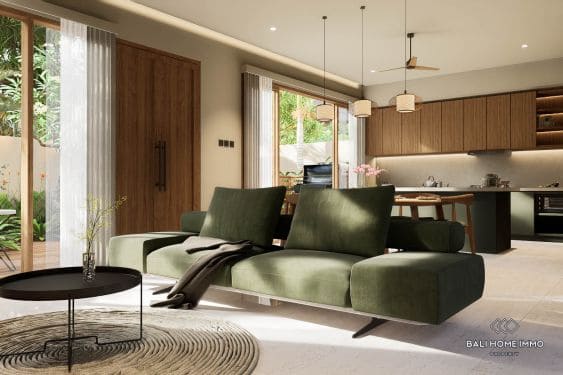
Sanur
A calmer “liveable Bali” profile with steady appeal for longer stays and family routines.
This cluster fits best when stability and daily-life ease matter as much as peak-season upside.
Rentals in 2026: what matters before buying
A rule that holds up in Bali: the villa is not the business; the operation is the business.
Pricing beats hope
Strong decisions come from realistic inputs, not optimistic projections.
ADR (Average Daily Rate) means the average nightly rate achieved over time.
Occupancy means the percentage of nights booked over time.
Gross income = ADR × Occupancy × 365
Net income = Gross - management - staff - utilities - maintenance - marketing - platform fees - Taxes estimation - compliance
A villa can look like a winner on gross revenue and still disappoint if the cost structure, upkeep, or management is underestimated.
Reviews drive revenue
In Bali, reviews act like a revenue multiplier. Higher ratings reduce discounting pressure and keep booking velocity strong.
The consistent drivers of strong reviews are simple: fast response, spotless cleaning, reliable Wi-Fi, reliable water pressure, proactive maintenance, and smooth check-in/out systems.
Compliance is part of the strategy
In 2026, valuation and buyer confidence increasingly reflect whether an asset can be operated continuously without interruption. The question is less “can it rent?” and more “can it operate 100% legally?”
Ownership and structures: what’s typically used
For commercial use, the main priority is legality. Foreign participation in Bali property is typically structured through leasehold for long-term use, or through Right to Build (Hak Guna Bangunan / HGB) when holding via a properly established Foreign Investment Company (PT PMA), in line with Indonesian regulations. Foreign individuals cannot hold Right of Ownership (Hak Milik), so the structure must match what is legally available and appropriate for the intended use.
Beyond the headline structure, the deal quality is decided by the paperwork: clear contract terms (including renewal and resale clauses), verified land status, and complete supporting documents, especially permits and licensing where relevant. A good rule of thumb is simple: choose a structure that complies with the law, then make sure the transaction is supported by clean, consistent documentation so the asset can be operated reliably and transferred smoothly later.
What’s smart in 2026
A strategy that holds up in 2026 stays simple: choose a clear segment (short-term lifestyle stays, mid-term living, wellness retreat, boutique hospitality), buy an asset that fits that segment in the right area, confirm it can be operated cleanly with solid documentation, then run it professionally. Pricing discipline, reviews, maintenance, and guest experience are what protect income stability and resale value over time.
Bali can be an exceptional place to invest, but the best outcomes usually come from treating it like a real market, not a holiday fantasy.
Best-fit match-making: which lane fits which goal?
If the goal is walkable lifestyle demand and short stays, Canggu / Berawa / Pererenan often fit best.
If the goal is proven central convenience, Seminyak / Petitenget often fit best.
If the goal is premium positioning, Uluwatu / Bingin / Pecatu often fit best.
If the goal is wellness and longer stays, Ubud often fits best.
If the goal is calmer, routine-led living, Sanur often fits best.

Tiny definitions
-
Persetujuan Bangunan Gedung (PBG): Indonesia’s building approval for construction or major renovations. It confirms the planned building complies with local rules and can be legally built/altered.
-
Sertifikat Laik Fungsi (SLF): Indonesia’s “fit-for-use” certificate issued after a building is completed. It confirms the finished property meets technical standards and is safe and suitable to be occupied/used according to its intended function.
-
Pondok Wisata: A lodging category where accommodation is offered to the public with daily payments, typically using a residential home associated with the owner and allowing guest interaction with local daily life. In many contexts, operations are intended for Micro, Small, and Medium Enterprises (MSMEs).
FAQ
Is Bali still a good place to invest in 2026?
Yes, when the plan matches the micro-market. Strong outcomes usually come from clear positioning, solid documentation, and professional operations.
Which areas are best for Bali villa rentals?
Short-stay demand often concentrates in Canggu/Berawa/Pererenan, Seminyak/Petitenget, and premium Uluwatu pockets. Mid-term strength often appears where daily-life infrastructure supports longer routines (Sanur and select residential areas).
Is mid-term renting better than short-term?
Mid-term can be steadier with fewer turnovers and less operational friction. Short-term can deliver higher peaks but requires stronger hospitality operations.
What matters more: the villa design or the location?
Location sets the demand ceiling. Design and build quality decide whether the ceiling is reached consistently.
What’s the biggest mistake in Bali property investing?
Underestimating operations and compliance. A strong-looking property can underperform if pricing, maintenance, management, and legality aren’t handled professionally.