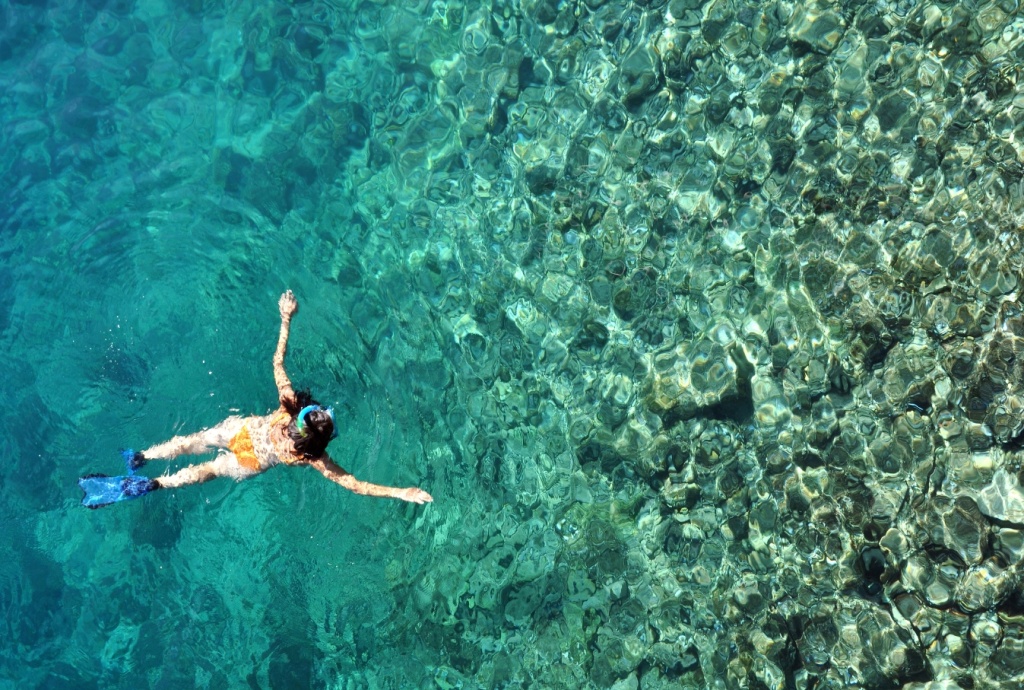
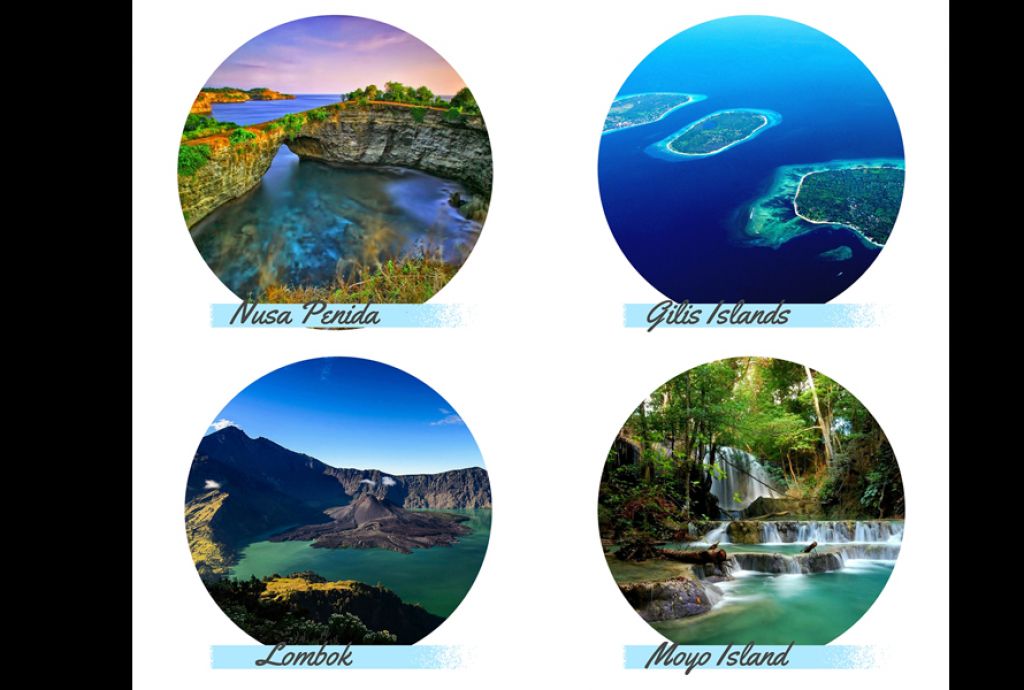
If you want experience the best snorkeling in Nusa Penida (Bali, Indonesia), you normally have two goals: manta rays at “Manta Point” areas, and easy, calmer bays where you can relax and enjoy coral reefs and colorful fish.
Nusa Penida is part of an island group in Klungkung Regency, Bali, together with Nusa Lembongan and Nusa Ceningan. These islands sit inside the Nusa Penida Marine Protected Area (MPA), which helps protect reefs, fish, turtles, and manta rays.
Why Snorkeling Here Is So Good And Why It Can Feel “Wild”
The Nusa Penida MPA covers 20,057 hectares around the three islands and is known for rich biodiversity—hundreds of coral and reef fish species, plus manta rays that visit the reefs.
Because it’s open ocean, conditions can change fast. Some spots are calm, while others can be rough on the same day—so choosing the right location matters.
Manta Points: Where to Snorkel with Manta Rays
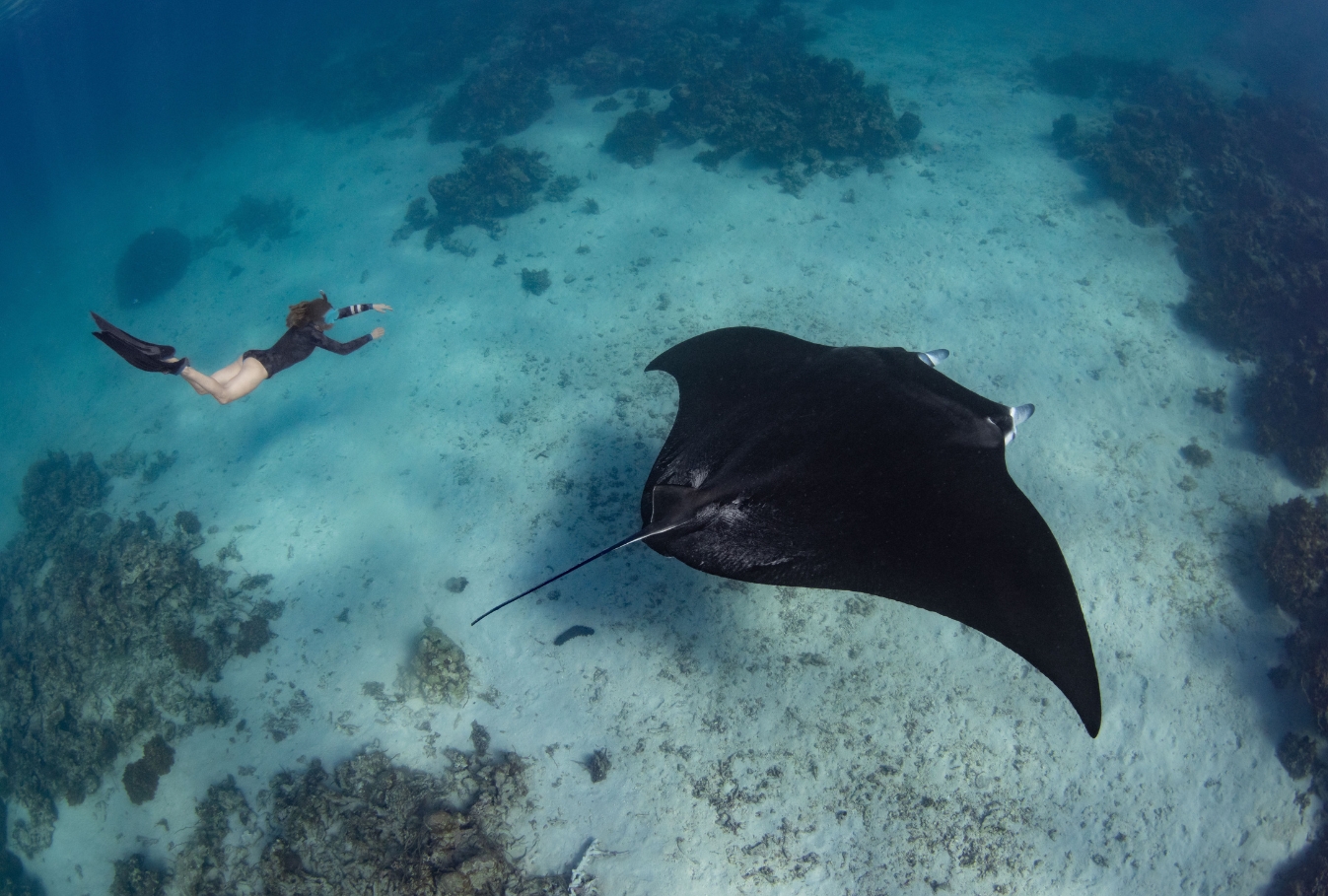
“Manta Points” usually means the well-known manta areas on the Penida side where boats stop for manta encounters. They are popular for a reason—this region is one of the world’s top places to see manta rays in the wild.
1. Manta Point
This is the classic manta area, but it’s not always beginner-friendly. The southern side can have swell and strong currents, and operators may cancel or switch sites if conditions are unsafe.
- Best for: confident swimmers, guided tours, people comfortable in waves
- What you may see: manta rays, sometimes turtles, reef fish (visibility varies day to day)
2. Manta Bay
Many tours also use Manta Bay as a manta snorkeling stop. Like Manta Point, it can still be affected by southern swell and currents—so it depends on the day.
Trust tip: Choose an operator who gives a full safety briefing and is willing to skip mantas if the sea is dangerous.
Calm Bays: Easier Snorkeling with Reefs and Fish
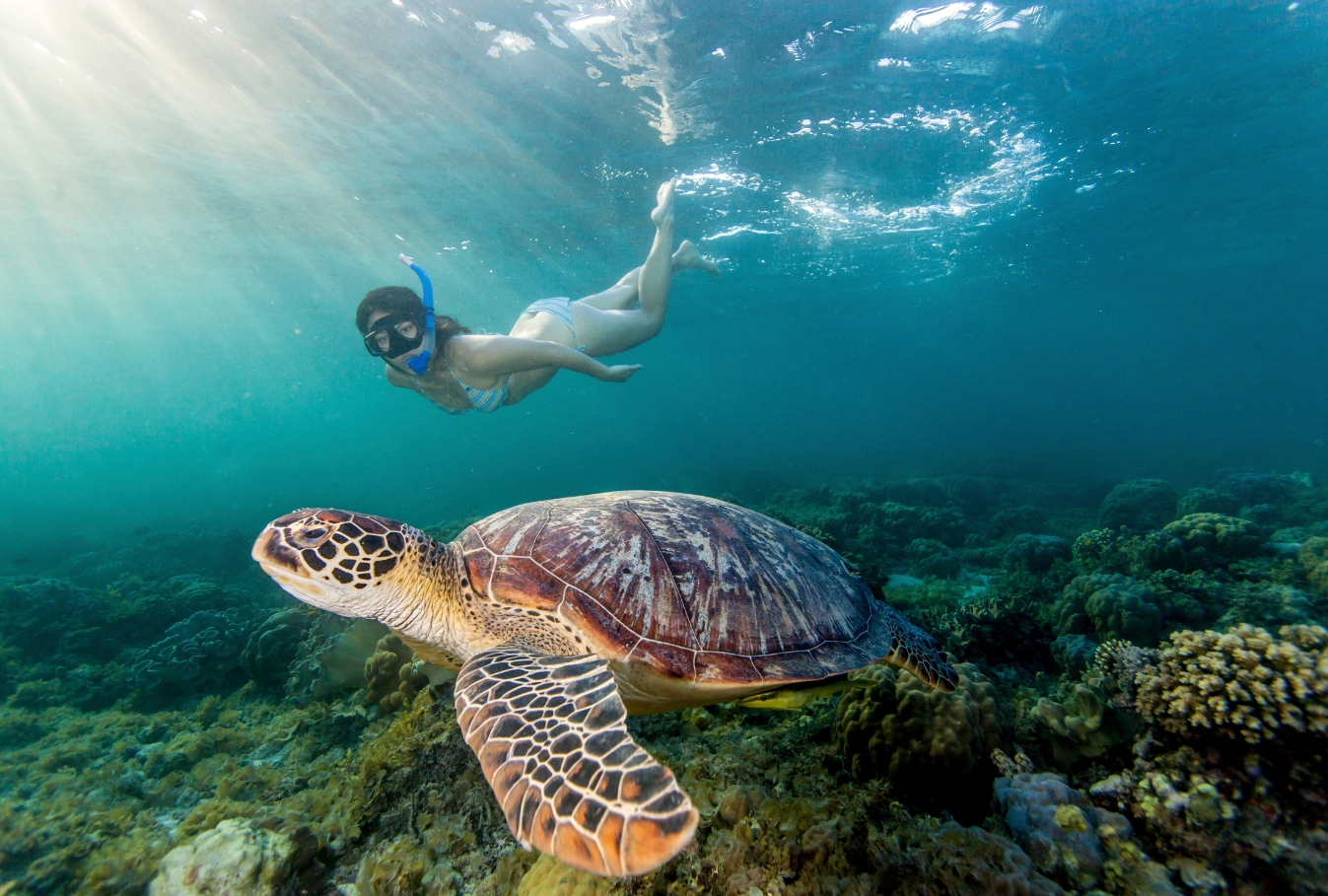
When people say “calm bays” in Nusa Penida snorkeling, they usually mean protected coves and reef areas that feel more relaxed than the manta sites.
Good news: several of the most famous snorkeling locations are recognized in official marine tourism planning and zoning for the area (including Manta Point, Crystal Bay, Wall–Gamat, and Toyapakeh).
1. Crystal Bay
Crystal Bay is a top choice for a reason: it’s a sheltered bay and can be calm when conditions are right. It’s also a common stop for tour boats, and you can usually find snorkel gear rentals nearby.
- Best for: beginners (on calm days), families (with supervision), relaxed snorkeling
- What you may see: reef fish, corals near the edges, occasional turtles
2. Gamat Bay
Gamat Bay is often suggested by guides for snorkeling trips starting from the Toyapakeh area, and it can be a beautiful spot with colorful coral, fish, and regular turtle sightings.
- Best for: intermediate snorkelers, people who like reefs and fewer crowds
- Note: conditions still depend on tide and current.
3. Toyapakeh area
Toyapakeh is a major activity area and also a known marine tourism zone. Many snorkel routes include nearby reefs because access is easy and visibility can be strong.
Best for: mixed groups (beginners + intermediate), half-day tours
4. Mangrove area
The Penida MPA includes Nusa Lembongan too, and the mangrove coastline is often more sheltered compared with the south side. If your group has nervous swimmers, asking for a “mangrove-side stop” can be a smart move.
Best Time for Snorkeling in Nusa Penida
-
For calmer seas and clearer water: many travelers prefer the drier months, when sunlight and sea conditions often improve visibility.
-
For cooler water (bring protection): Nusa Penida can have sudden cold water from upwelling/thermoclines, and temperatures can drop a lot at times (especially in the season linked with upwelling).
Practical tip: even if you’re “just snorkeling,” a thin wetsuit or rash guard can make the trip much more comfortable.
Manta Etiquette
To protect manta rays (and to get a longer, better encounter), follow the main rules used in the area:
-
Do not chase, harass, or block a manta ray’s path
-
Keep distance (commonly advised: about 3 meters / 10 feet)
-
Stay calm and slow, and let the manta control the interaction
-
Do not touch manta rays
-
Enter the water gently (no jumping/splashing)
A Perfect Half-Day Snorkeling Plan
If sea conditions are good:
-
Manta Point or Manta Bay (first, before it gets crowded)
-
Gamat Bay (reef + turtles)
-
Crystal Bay (easy finish, relaxed swim)
If the south is rough, skip mantas and focus on calmer reef stops (Toyapakeh + Crystal Bay + sheltered areas).
Conclusion
Snorkeling in Nusa Penida is basically a choose-your-own-adventure: go “wild” for manta rays at the Manta Point areas, or keep it relaxed in calmer bays where you can drift over reefs, spot turtles, and enjoy schools of colorful fish. The key is remembering that Penida sits in open ocean, so conditions can change quickly—even within the same morning. The best trips are run by operators who prioritize safety, give clear briefings, and are happy to switch plans if the sea isn’t cooperating.