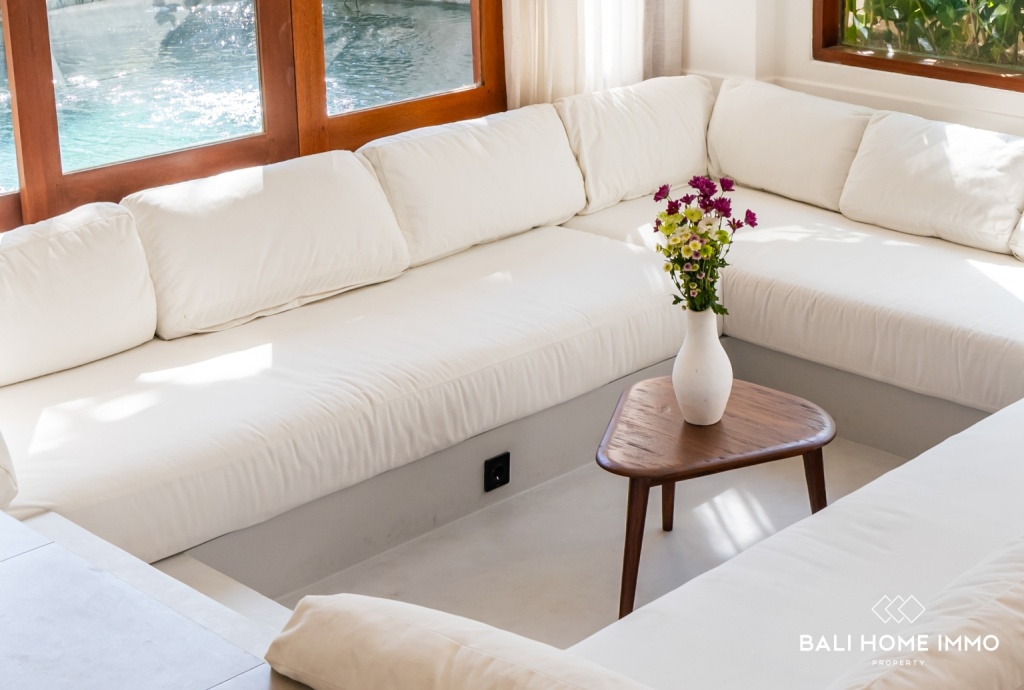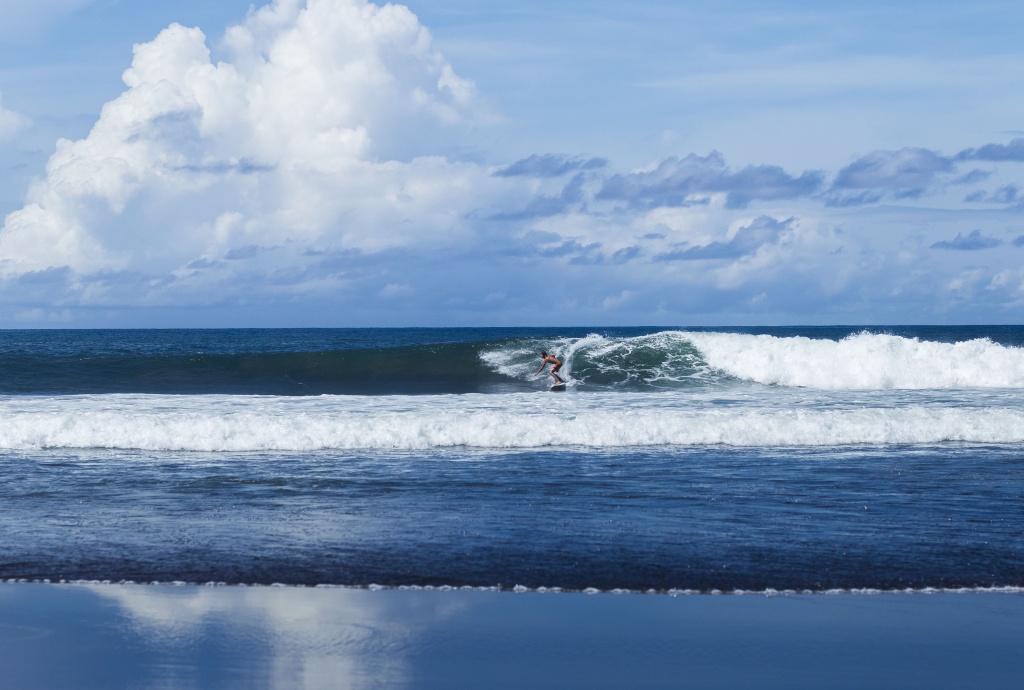






Bali zoning laws are the planning rules that determine what land can legally be used for, including tourism, housing, agriculture, conservation, and other functions. Their purpose is to control land use so development does not happen randomly. In Bali, that means balancing economic growth, tourism infrastructure, and housing needs with the protection of farmland, water systems, mangroves, coastlines, and cultural landscapes. Bali’s official spatial-planning framework explicitly separates protected areas (kawasan lindung) from development areas (kawasan budi daya) and includes categories such as tourism, agriculture, settlement, industry, and transportation. In practice, zoning matters because it affects whether a site can move forward through the spatial-conformity process (KKPR/PKKPR), whether a project fits the official plan, and whether a future business use is realistic.
Bali’s current provincial spatial plan is set out in Provincial Regulation No. 2 of 2023, while more detailed controls are refined through district/city RDTR and zoning rules. This framework should also be read together with Bali Provincial Regulation No. 4 of 2026 on the Protection of Productive Land and the Prevention of Its Conversion, which reinforces land-protection controls by limiting the conversion of productive land. Land administration and national spatial-planning authority sit with the Ministry of Agrarian Affairs and Spatial Planning / National Land Agency of Indonesia (ATR/BPN), while provincial and district governments handle local spatial planning, implementation, and detailed plan controls. In Bali, provincial planning information is also published through the Taru Bali / GiSTARU Bali systems run by the provincial public-works and spatial-planning office.
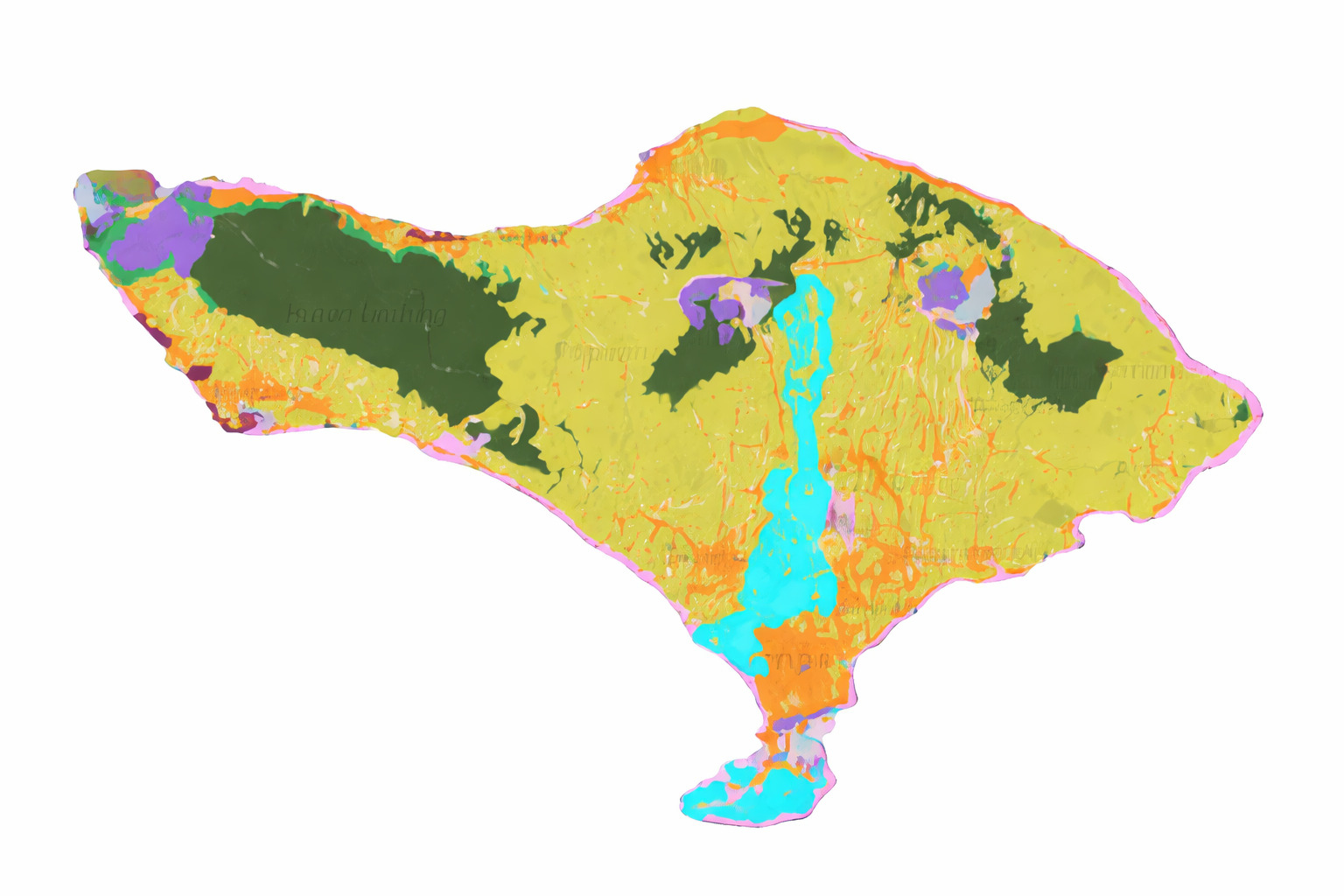
Understanding the Pink Zone in Bali
What the Pink Zone Means
In Bali property conversations, “pink zone” is commonly used as market shorthand, but it is not a legal designation. The legal issue is the underlying designation in the applicable spatial plan, especially the RTRW and, where applicable, the RDTR. Under Perda Provinsi Bali Nomor 2 Tahun 2023 tentang RTRW Provinsi Bali Tahun 2023-2043, “Kawasan Pariwisata” is expressly included within the provincial spatial regime, and Taru Bali’s provincial material explains the zoning directions and activities associated with that category.
What Types of Properties Are Allowed under the Pink Zone and Why Most Rental Villas Are Built in Pink Zones
Official spatial-planning materials for Bali indicate that its Pink Zone is designated for tourism, intended to accommodate activities such as tourist attractions, accommodation, and supporting tourism facilities. In property practice, this is why buyers often associate the Pink Zone with hotels, resorts, hospitality accommodation (including villa-type lodging), restaurants, and other tourism-related businesses. Legally, however, the controlling factor remains the formal zoning designation in the applicable spatial plan (RTRW and, where applicable, RDTR). Given the relatively short distance between villas as places of stay and other tourism facilities, it is understandable why most rental villas are built within the Pink Zone.
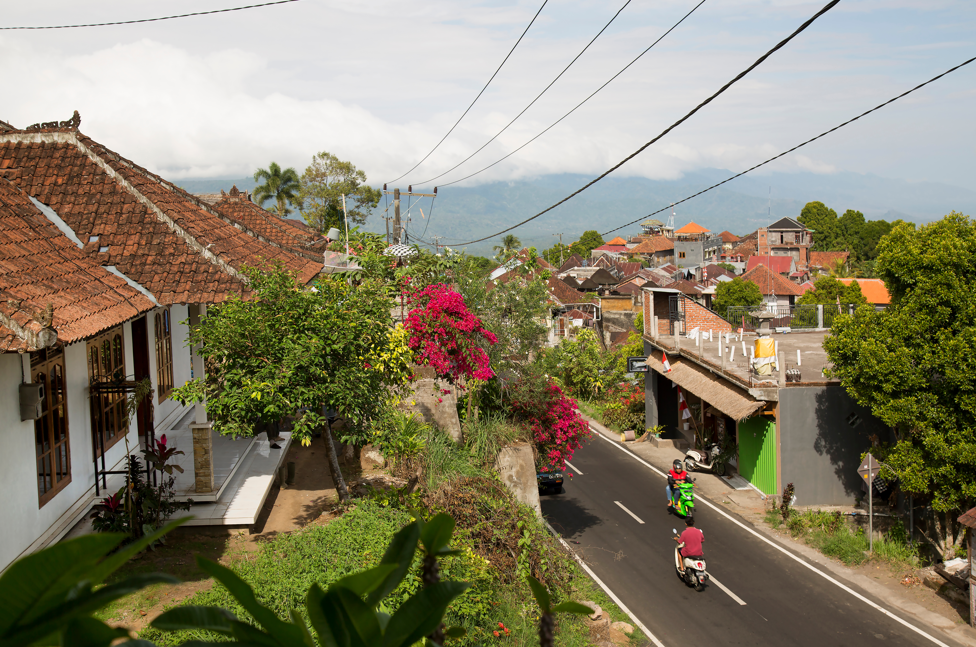
Understanding the Yellow Zone in Bali
Yellow Zone (Kawasan Permukiman / Residential)
This is generally land intended for housing and residential use. In practice, it is often where private villas, homes, and local residential compounds are built. A common point of confusion is whether a villa in a Yellow Zone can be rented out. The careful answer is: sometimes, but only on a limited basis and only if the use fits the applicable rules.
In many areas, small-scale accommodation in the form of Pondok Wisata may be possible, but that is not the same thing as running a full commercial tourism villa or hotel. Under OSS, Pondok Wisata is classified under KBLI 55130, and the official description treats it as home-stay style accommodation, meaning lodging provided by an individual, using a residential building occupied by the owner, where part of the house is rented out and guests are given the opportunity to interact with the owner’s daily life. That definition is much narrower than a standalone commercial villa business.
So, while a Yellow Zone may sometimes support small-scale residential hospitality use, buyers should not assume that a villa in a residential zone can automatically operate like a tourism-zoned short-term rental asset. Large-scale hotels, resort-style accommodation, and more intensive tourism operations are generally expected to sit in the more appropriate tourism / commercial planning framework.
Other Zoning Categories in Bali
Bali’s official spatial plan is much broader than just the Pink Zone, and Yellow Zone. The provincial spatial pattern map covers a wide range of land-use categories, including fisheries, mining and energy, industry, residential areas (kawasan permukiman), transportation, and defense and security areas. At the practical level, buyers often refer to these zones by map color, but the legal question is always the underlying land-use designation in the official plan, not just the color shown on a marketing map.
Red / Orange Zone (Kawasan Perdagangan dan Jasa / Commercial)
These areas are typically intended for business and service activity, such as shops, offices, restaurants, retail, and other commercial uses. In market terms, they are often found along major roads and established urban corridors, which is why they tend to be more expensive but also more flexible for mixed business activity. They are usually better suited to commercial-facing projects than ordinary residential plots.
Brown / Purple Zone (Kawasan Cagar Budaya / Cultural)
These are culturally sensitive or protected heritage areas. Bali’s RTRW specifically regulates kawasan cagar budaya, and the point of these controls is preservation, not aggressive redevelopment. In or near these areas, construction may be forbidden, tightly limited, or subject to stronger requirements around design, scale, setbacks, and cultural compatibility. This is especially relevant near major pura, historic settlements, and recognized heritage landscapes.

Understanding the Green Zone in Bali
What the Green Zone Means and why it is protected
“Green zone” is market shorthand, not an official legal designation. Based on Bali Provincial Regulation No. 4 of 2026 on the Protection of Productive Land and the Prevention of Its Conversion, the legally relevant concept is “Lahan Produktif,” namely land used for agriculture consisting of food crops, horticulture, and plantation crops. The regulation is designed to protect such productive land, ensure its continued availability, support food sovereignty, maintain ecological balance, and prevent nominee-based control or ownership structures. Productive land designated in the spatial plan is in principle prohibited from being converted, subject only to limited exceptions provided by law. For that reason, land falling within this protected productive land regime should not be treated as a default land bank for villa development.
Why Bali Protects Productive Land
Bali protects green zones because landscapes such as rice terraces and the Subak irrigation system are far more than open scenery. Under Bali’s regulatory framework, agricultural land forms part of the island’s food system, water management structure, and cultural landscape. The Subak system links rice cultivation, watershed management, and community institutions into an integrated ecological and social system. At the same time, these landscapes are themselves one of Bali’s greatest attractions; terraced rice fields and river valleys form a defining visual identity that sustains the island's long-term tourism value. For that reason, spatial-planning policy and provincial regulation seek to limit uncontrolled conversion, as large-scale conversion of rice fields risks the loss of farmland, ecological systems, and the natural scenery that makes Bali distinctive.
Can Land in a Green Zone be Developed?
Land that is casually described as “green zone” should be approached carefully for an ordinary villa or tourism project. Under Bali Provincial Regulation No. 4 of 2026 on the Protection of Productive Land and the Prevention of Its Conversion, the policy direction is to preserve productive land rather than treat it as development-ready by default. So, more often than not, these lands are not to be developed, albeit that the safer view is that its status could be checked against the applicable legal framework, spatial plan, and any specific protections that may apply.
Common Misunderstandings About Bali Zoning Laws
One of the most common misunderstandings in Bali property is assuming that zoning issues are minor or easy to work around. For example, green-zone land is not simply cheaper for no reason; in many cases, the lower price reflects the fact that the land is highly restricted or prohibited from being developed. Another common misconception is that tourism zoning automatically guarantees rental licences. It does not. Zoning is only one part of the process, and OSS-based conformity, business classification, and further compliance requirements still need to align. Buyers also often assume that zoning can be changed easily, when in reality it sits within a formal government planning framework tied to the RTRW, RDTR, and official planning procedures, not a quick private request.
A related mistake is assuming that a villa built in a Yellow Residential Zone can automatically operate as a fully commercial short-term rental. In practice, zoning, licensing, and business classification must all match the intended use. A residential-zone villa may sometimes fit a small-scale Pondok Wisata model, but that does not automatically make it suitable for a more intensive tourism-style operation. That is why buyers should always verify the intended use of the land before building or purchasing. Public tools such as GiSTARU are a useful starting point, but they should be backed up by checks with the local planning office, the relevant OSS, and proper legal due diligence before relying on the site for a residential, tourism, or mixed-use project.

How to Verify Zoning Before Buying Land and How to Verify It Before Buying Land
The safest process is straightforward. First, review the official Bali spatial planning portals, including GiSTARU Bali and Taru Bali, to identify the site’s zoning and any mapped spatial constraints. GiSTARU Bali itself cautions that, if there is any discrepancy, the governing legal instrument remains the applicable enacted regulation. Second, confirm the governing district or city spatial plan, especially the RDTR and its zoning rules where one is already in force, because RDTR is the detailed local instrument used to regulate land use at the site level. Where no RDTR is yet in force for the area, check the applicable RTRW and other local planning status instead. Third, have a qualified legal and property team verify that the intended use, access, setbacks, building parameters, and licensing path are actually supportable before any funds are committed. Bali’s public tools are a useful starting point, but they are not a substitute for verification against the controlling regulation and permit pathway.
FAQ - Bali Zoning Laws
What is the pink zone in Bali?
The “Pink Zone” is designated for tourism, intended to accommodate activities such as tourist attractions, accommodation, and supporting tourism facilities.
What is the green zone in Bali?
The Green Zone is formally referred to as “Lahan Produktif,” namely land used for agriculture consisting of food crops, horticulture, and plantation crops. The regulation is designed to protect such productive land, ensure its continued availability, support food sovereignty, maintain ecological balance, and prevent nominee-based control or ownership structures.
Can you build a villa in Bali’s green zone?
You should not assume you can. Protected agricultural land is generally shielded from conversion, with only narrow exceptions under the law.
How do you check zoning in Bali?
Publicly available websites to check zoning, such as GiSTARU, fall under the responsibility of the Bali Provincial Department of Public Works, Spatial Planning, Housing and Settlement Areas (Dinas PUPRKIM Provinsi Bali).
Why are tourism villas usually built in pink zones?
Due to the relatively short distance between villas as places of stay and other tourism facilities, it is understandable why most rental villas are built within the Pink Zone.