





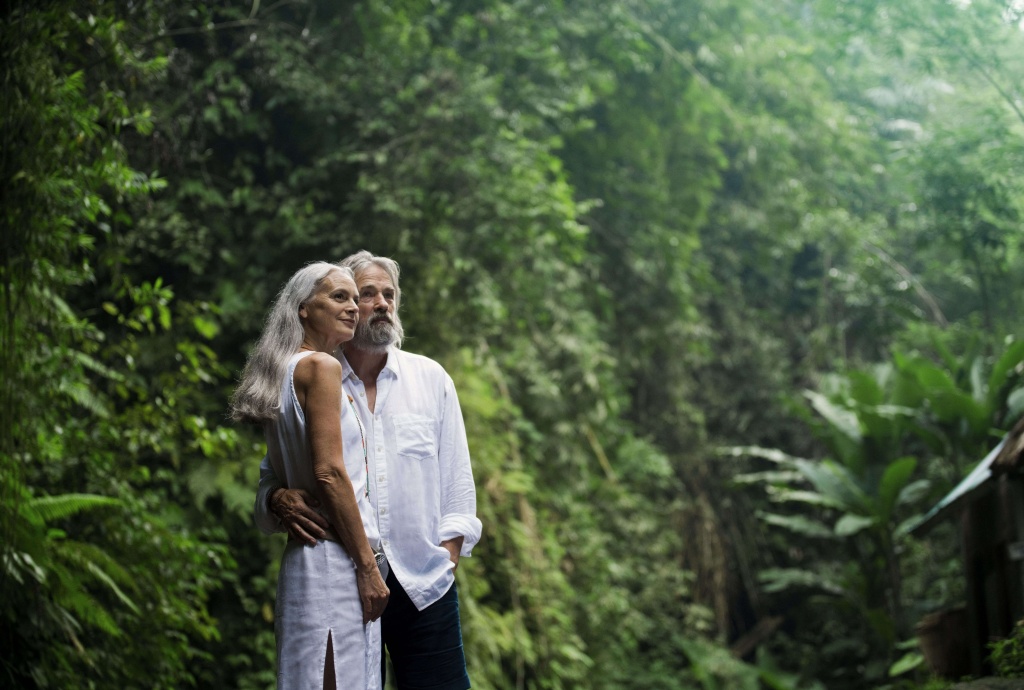
Retiring in Bali is rarely about chasing one perfect postcard. It is more about finding the version of island life that still feels good once daily comfort starts to matter more than novelty.
The reason many expats choose Bali in retirement is not hard to understand. The island offers garden mornings, open-air breakfasts, regular sunshine, and a lifestyle that feels less rushed. The difference is that retirement changes the emphasis. What mattered once as a holiday fantasy starts to be measured against practical comfort: easier routines, nearby services, homes that are simpler to manage, and neighborhoods that feel livable over time. Bali can still deliver the beauty of island living, but in a version that fits older priorities more comfortably.
A Recent Game Changer: Bali International Hospital
For many retirees, healthcare access is the final piece of the puzzle. The landscape has fundamentally changed with the opening of the Bali International Hospital (BIH) in Sanur. Developed within the Sanur Health Special Economic Zone (SEZ), this world-class facility, built in consultation with the Mayo Clinic, marks a new era for residency on the island.
The hospital offers specialized care in cardiology, oncology, neurology, and orthopedics, featuring state-of-the-art diagnostic technology and a "smart hospital" infrastructure. By allowing foreign medical specialists to practice and providing access to international medications previously unavailable in Indonesia, the Bali International Hospital (BIH) removes the long-standing "healthcare hesitation" that once forced expats to travel to Singapore or Bangkok for complex treatments. Having this level of medical excellence within a few minutes' drive has transformed Sanur into one of the most strategic and reassuring locations for a long-term retirement base.
Retirement in Bali Is Really About Choosing Your Kind of Day
For some people, retirement in Bali means sunrise walks and coffee by the sea. For others, it means local markets, wellness routines, green views, long lunches, and a peaceful villa that feels far from noise. That is why Bali works so well for retirees: it is not one lifestyle. It is a collection of different daily rhythms, and each area gives that rhythm a different shape.
Decide What Kind of Retirement You Want!
Do You Want Calm, Convenience, Community, or Scenery?
The easiest way to choose where to retire in Bali is to start with temperament, not just real estate. Some retirees want somewhere calm and walkable. Some want greenery and quiet reflection. Others want a beachside routine that still feels practical, or a polished area where daily life runs smoothly. There are also retirees who remain highly social and active, and others who care most about privacy, views, and breathing room. Bali has all of these versions, but not usually in the same place.
The Best Retirement Area Is Not Always the Most Famous One
The right fit usually depends on the things people notice only after a few months: healthcare access, traffic tolerance, groceries and errands, how much walking is realistically possible, airport access, and whether the neighborhood feels more social or more private. A place can look beautiful for a week and still feel inconvenient in everyday life. Retirement choices in Bali usually become clearer when the question changes from “Where is popular?” to “Where will daily life feel easiest?”
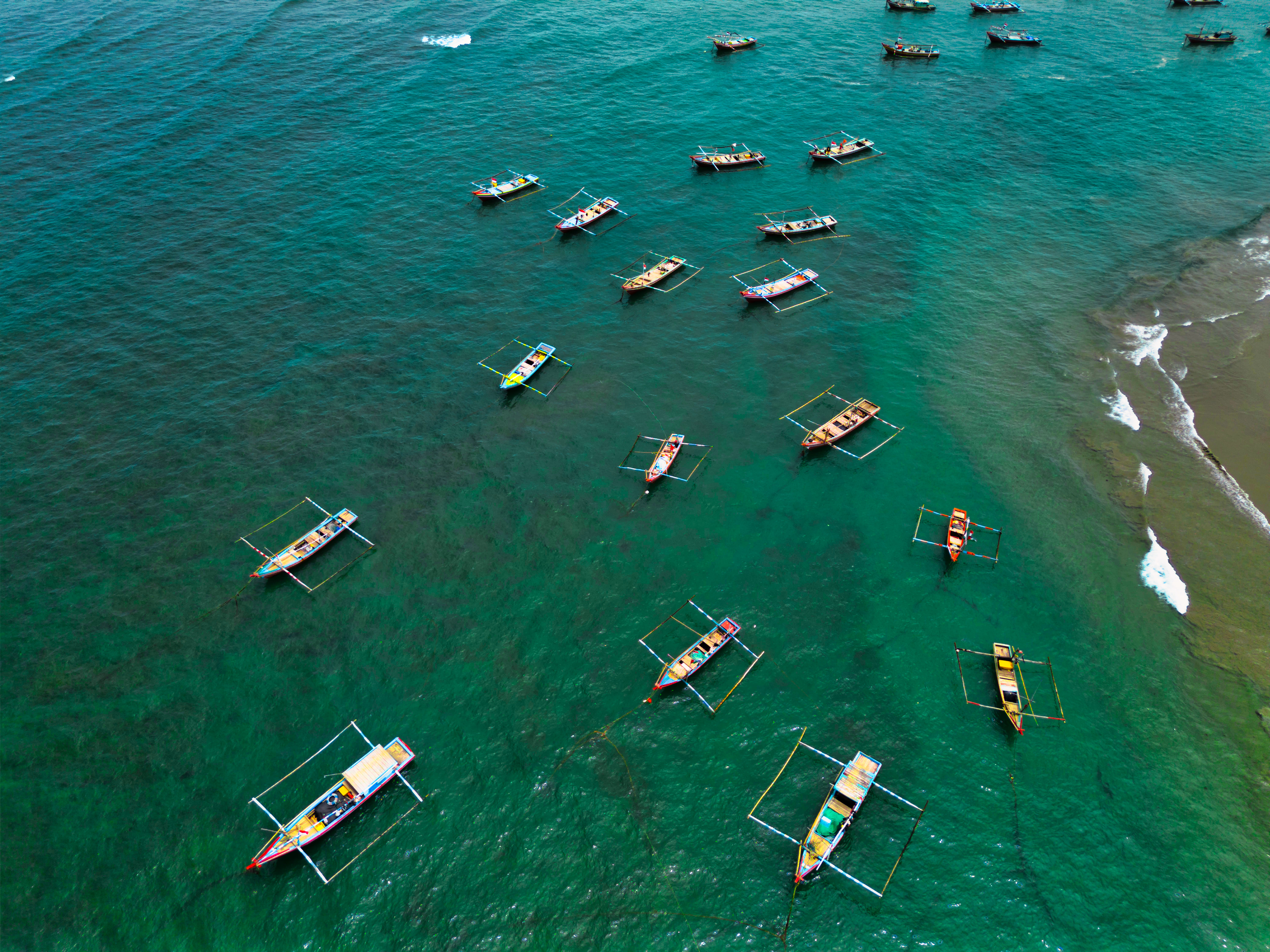
Best Areas in Bali for Retirees and Expats
Sanur - The Classic Retiree Favorite
Sanur remains the most intuitive answer for many retirees. The atmosphere is calmer, the beach is gentler, and the coastal strip supports a more relaxed day-to-day routine than many of Bali’s busier west-coast areas. Sanur’s promenade, calm shoreline, and long-established expat presence make it easier to imagine a retirement built around walks, cafés, familiar faces, and a more comfortable pace. It is not dramatic in the way Uluwatu is, or trend-driven in the way Canggu can be. Its appeal is that it feels easy to settle into.
Sanur also has one of the strongest healthcare stories in Bali. The Sanur Special Economic Zone has been positioned as Indonesia’s first health-focused SEZ, and the Bali International Hospital(BHI) was officially inaugurated there in June 2025. For retirees who want a calmer neighborhood without giving up serious medical infrastructure, that matters a great deal. It makes Sanur feel not only comfortable, but strategically reassuring.

Ubud - For Nature, Culture, and a Slower Inner Life
Ubud suits retirees who want beauty to be part of everyday life. It is greener, more cultural, and more inward-looking than Bali’s coastal retirement options. The area is closely associated with arts, spirituality, rice terraces, temples, and wellness, and that gives retirement here a very different feel from beach towns. It appeals strongly to people who want quieter mornings, cooler air, and a life that feels more reflective than resort-like.
At the same time, Ubud is not flat, and that is part of its identity. The landscapes that make it memorable, terraced paddies, valleys, jungle routes, and waterfall outings, also mean the broader terrain can feel uneven. Within Ubud itself, the central strip around Jalan Raya Ubud is generally the easiest part to base yourself around because it functions as the town’s main spine and central activity zone. The outer pockets are often more sloped and less straightforward for retirees who like easy walking.
Jimbaran - For Coastal Living with More Everyday Local Flavor
Jimbaran feels very different from Sanur. Where Sanur feels smoother and more retiree-established, Jimbaran feels more grounded in ordinary coastal life. It is still one of South Bali’s calmer beach areas, but it does not feel packaged in the same way. The area is shaped by local seafood culture, fish markets, warungs, and evening food scenes that make it feel lived-in rather than carefully curated for expats.
That does not mean Jimbaran is “reserved” for one group. It is better understood as a working coastal neighborhood with long-established local communities and many residents who have moved there from elsewhere in Indonesia. That mix gives it a more social, practical, and everyday feel. For retirees who want a beach area that still feels grounded and local, Jimbaran can be one of the most satisfying choices in South Bali.
Nusa Dua - For Order, Comfort, and Ease
Nusa Dua appeals to retirees who want a more polished environment. The area is well-known for clean beaches, manicured roads, resort-style calm, and a development pattern that feels more orderly than much of Bali. It has long been planned as a major tourism zone, and that planned character still shows in the roads, landscaping, and overall atmosphere.
For retirement, that means low-friction living. Nusa Dua is not the most characterful part of Bali, but it is one of the easiest to understand. It suits retirees who want comfort, predictability, cleaner surroundings, and a setting where day-to-day logistics feel relatively straightforward.
Canggu / Pererenan - For Retirees Who Still Want Energy
Canggu and Pererenan are not the traditional retirement answer, but that does not mean they are wrong. They work best for retirees who are still active, social, and very engaged with daily life. This part of Bali offers cafés, beach routines, a strong international crowd, and a more energetic rhythm. If retirement for you still includes brunches, fitness, social lunches, and a feeling of movement, this area may be more appealing than the quieter classics.
Pererenan softens that energy slightly. Official Badung tourism material describes it as calmer and more private than many other beach zones, with a quieter atmosphere, yoga and spa options, and a less crowded coastal feel. So while Canggu is the louder social anchor, Pererenan offers an active-retiree version of that lifestyle with a little more breathing room.
Uluwatu / Pecatu - For Privacy, Views, and Dramatic Scenery
Uluwatu and Pecatu offer some of the most dramatic scenery in Bali. Cliffs, sea views, open space, and a strong sense of retreat are what define this part of the Bukit Peninsula. It can feel wonderfully private and visually spectacular, which is exactly why some retirees love it.
But this beauty comes with a practical trade-off: the terrain is often steep. Beaches such as Labuan Sait / Padang Padang are reached through stairs and cliffside access, and the wider area often feels hilly rather than casually walkable. For retirees who enjoy simple daily walks on flatter ground, Uluwatu / Pecatu can feel less convenient than places like Sanur. It is a beautiful option, but a terrain-sensitive one.
What Retirees Often Overlook About Living in Bali
A Beautiful Villa Is Not Enough
A home can look perfect in photos and still become tiring in everyday life. Retirees tend to be happiest when the practical layer works too: clinics and hospitals, groceries, road access, humidity and upkeep, and whether the house has too many stairs or too much maintenance. Bali rewards people who think beyond the view.
Terrain Changes Daily Life More Than People Expect
This matters more than many people realize. Sanur is easier and flatter. Jimbaran is mixed but generally more manageable. Ubud is uneven, though its central strip is easier than the outer pockets. Uluwatu / Pecatu can be steep and less walk-friendly. Over time, terrain affects energy levels, mobility, and how much a retiree actually enjoys leaving the house.
Community Matters More Than People Think
The honeymoon phase of Bali life eventually gives way to ordinary weeks. That is when community starts to matter. Routines, hobbies, social circles, and a feeling of belonging can become just as important as scenery. The best retirement area is often the one where it is easiest to build a satisfying life, not just admire one.
Bali can be a deeply rewarding place to retire, but the right area depends on what kind of life you want your days to hold. For some, that is Sanur’s calm practicality. For others, it is Ubud’s inward beauty, Jimbaran’s lived-in coastal flavor, Nusa Dua’s easy comfort, Canggu’s energy, or Uluwatu’s dramatic retreat. The best place to retire in Bali is not the most fashionable one. It is the one that matches your pace, your practical needs, and the kind of life you want to wake up to every day.