





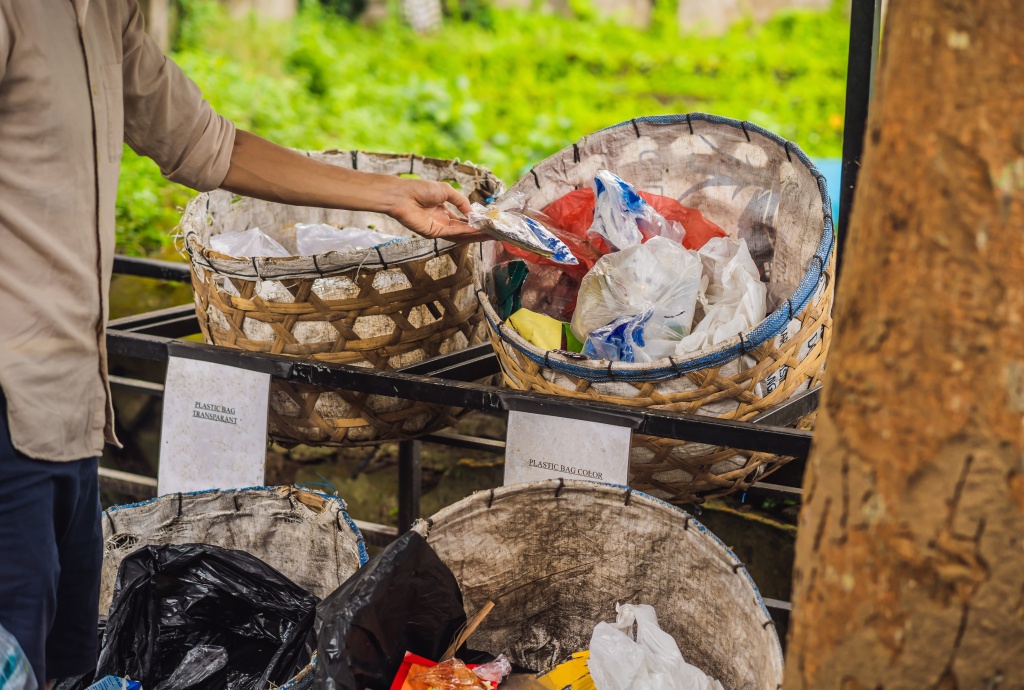
For years, the aesthetic appeal of living in Bali overshadowed the logistical realities of island infrastructure. But as we navigate 2026, the era of turning a blind eye to household waste is over. The "throw it in a black bag and forget about it" approach is no longer just environmentally irresponsible; it is functionally obsolete. Bali’s waste infrastructure has fundamentally shifted, and modern residents are expected to adapt.
Achieving a zero-waste, or at least a highly optimized, low-waste, lifestyle in Bali does not require living off the grid. It simply requires engineering a better household workflow. This is not about moral grandstanding; it is about practical, efficient living. By establishing a few basic systems in your villa, you can bypass the island's strained public infrastructure and ensure your household operates smoothly, cleanly, and responsibly.
Here is the definitive, no-nonsense guide to managing your household waste, recycling efficiently, and smarter in Bali.
What Happenned in 2026?
The days of relying on a single, massive landfill to absorb the island's consumption are behind us. Now, managing your own waste is critical.
Historically, South Bali relied heavily on the Suwung landfill, a centralized dumping ground that frequently reached critical mass. In recent years, the government strategy has officially shifted toward a decentralized model known as TPS3R (Tempat Pengelolaan Sampah Reduce, Reuse, Recycle). This system mandates that waste must be processed at the village level. However, a village-level facility cannot process your waste if it arrives in a single, commingled plastic bag. Mixed waste inevitably ends up as toxic residue, forcing local facilities to either reject it, burn it, or illegally dump it.
The most common mistake new expats and long-stay residents make is assuming the local Banjar (village council) collection truck handles recycling. They do not. The standard village truck that arrives at your villa gates is designed strictly for "residual waste", the items that cannot be composted or recycled. If you hand them a bag of mixed organic matter, “Paket” boxes, and plastic bottles, it is all going to the exact same pile.
To actually recycle in Bali, source separation at your home is non-negotiable, and you must connect the right waste stream to the right specialized service.
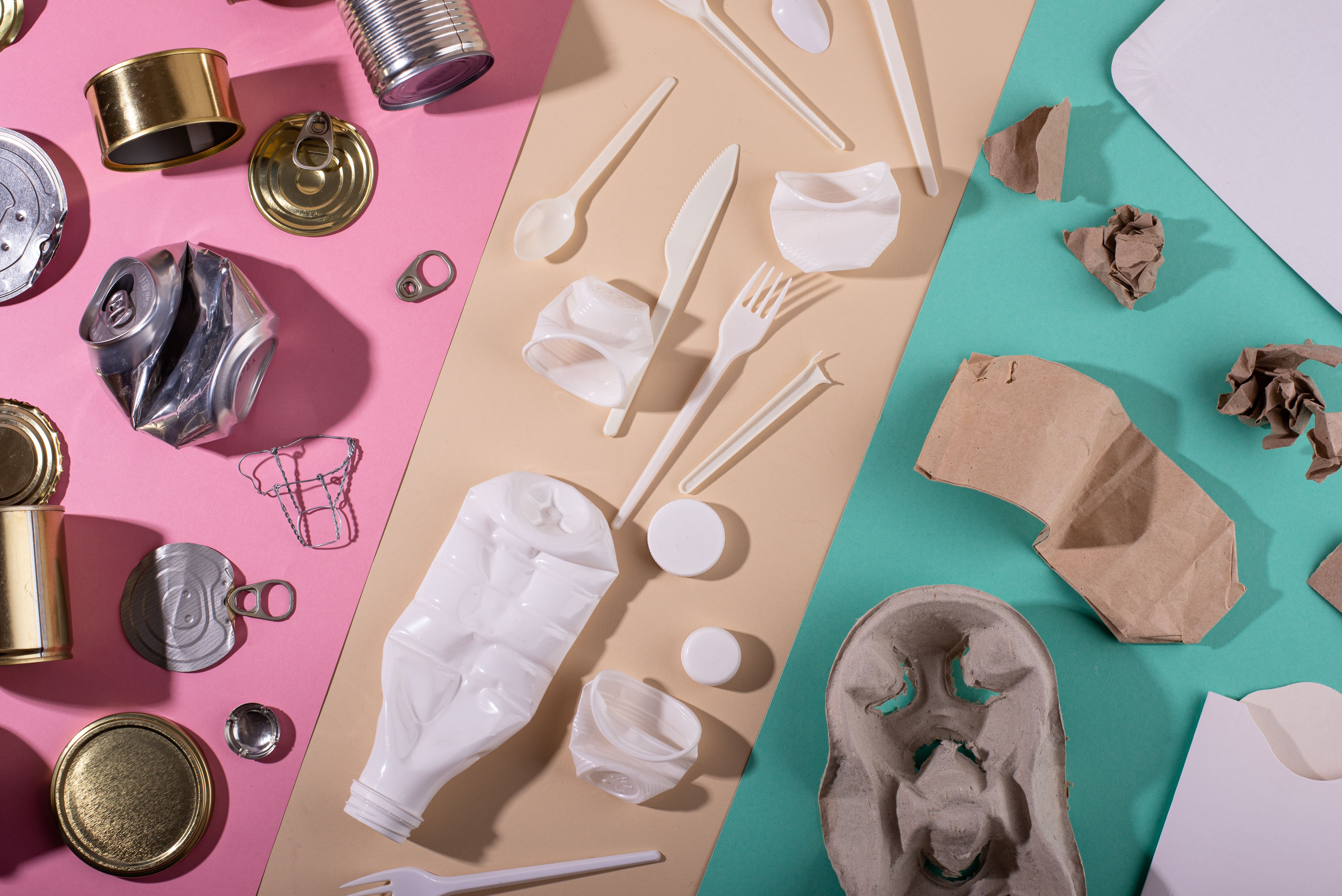
The Big Three: Bali’s Premier Waste Management Services
You do not need to haul your own garbage across the island to be responsible. Bali now boasts a highly efficient, private-sector waste management network. You simply need to subscribe to the right operators.
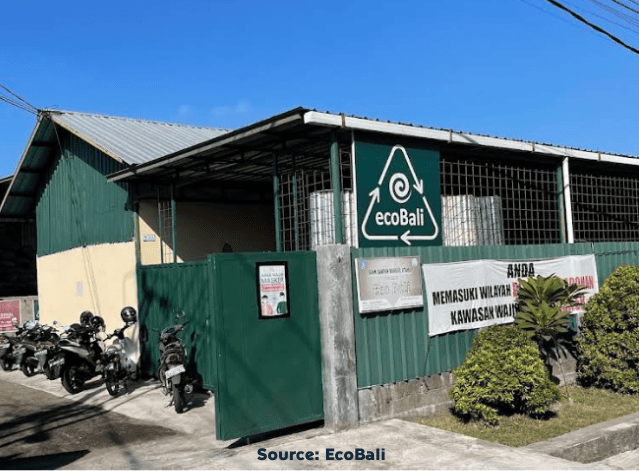
EcoBali Recycling: The Gold Standard For expats and villa residents, EcoBali Recycling remains the absolute gold standard. They operate a highly accountable, transparent system that ensures your recyclables actually get processed, not just moved to a different dump. When you subscribe, EcoBali provides a strict two-bin system. The red bin is exclusively for paper and cardboard, while the green bin handles plastics, glass, and metals. They provide weekly pickups and ensure the materials are sorted and sold to commercial recycling plants in Java. Their service removes the friction from recycling, turning it into a simple subscription model.
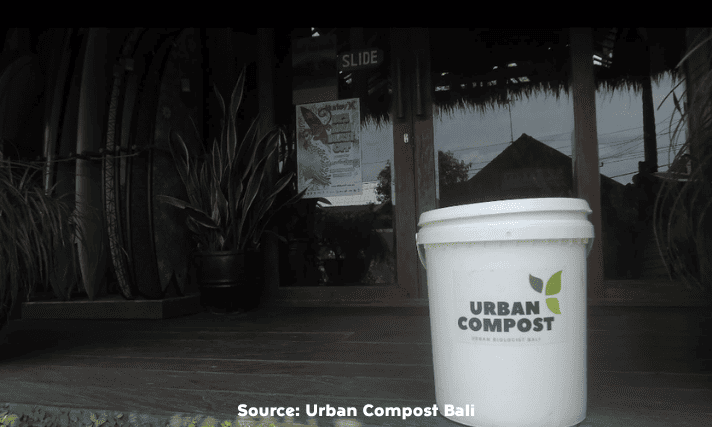
Urban Biocycling & Composting: Tackling the 60% The most critical failure point in Bali villa management is organic waste. Food scraps and garden trimmings make up roughly 60% of a typical household’s footprint. When organic waste is thrown into a plastic bag, it decomposes anaerobically, creating methane gas and toxic leachate. If your villa does not have the space for a garden compost system, you must outsource it. Services like Urban Biocycle or local initiatives like Griya Luhu specialize in organic extraction. They provide sealed bins for your kitchen scraps, collect them weekly, and utilize black soldier fly larvae or industrial composting methods to turn your food waste into high-grade agricultural fertilizer.
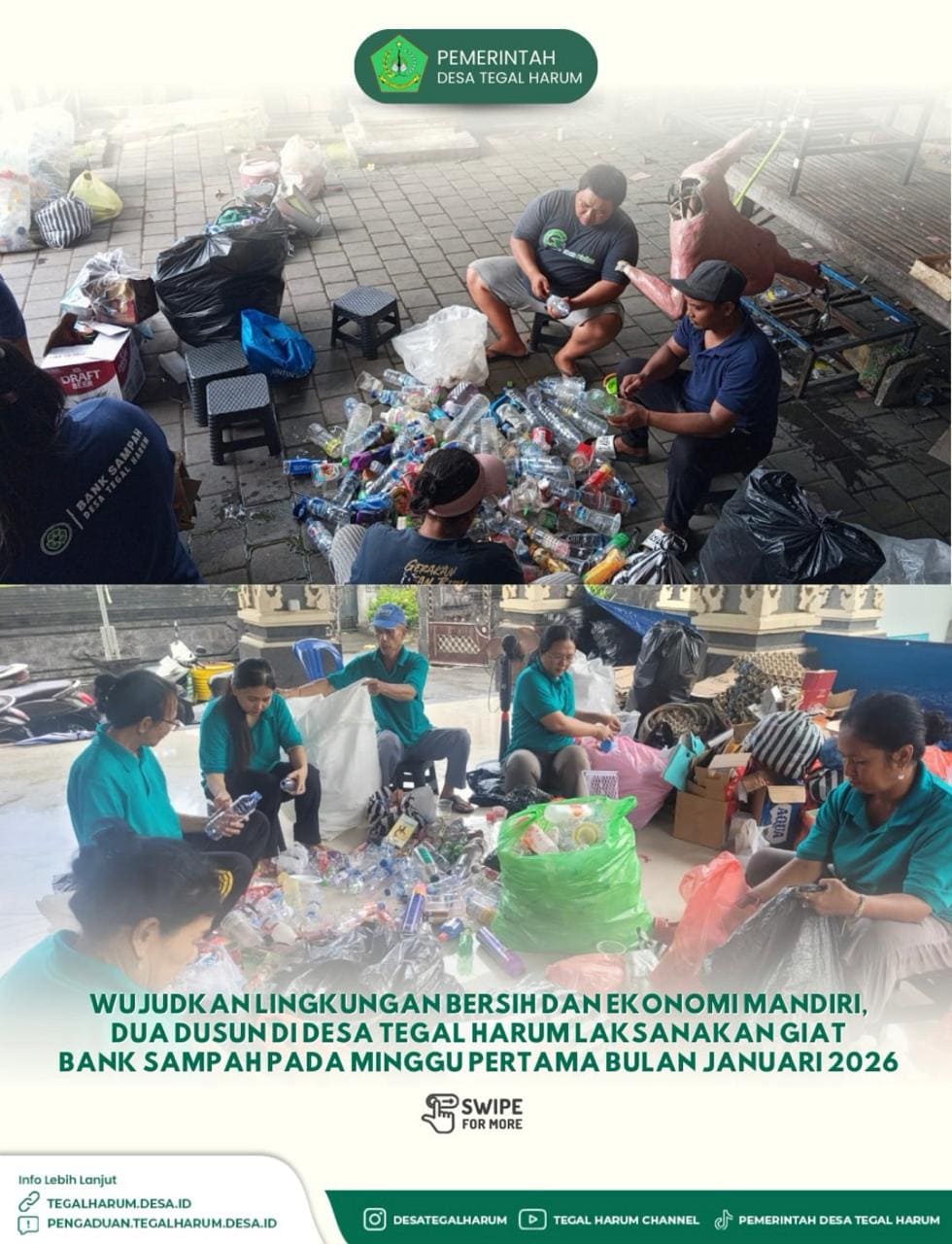
Bank Sampah (Waste Banks): The Community Network If you prefer a hands-on approach or want to integrate your household directly into the local community economy, the Bank Sampah (Waste Bank) system is highly effective. These are localized, community-run collection points where sorted recyclables (cardboard, PET plastics, aluminum) are weighed and exchanged for small amounts of cash or basic goods. While the financial return is negligible for a high-net-worth resident, utilizing a local Bank Sampah is a direct way to inject value into the village economy while ensuring your dry recyclables are properly processed.
Engineering Your Household Workflow
Having the right collection services is only half the battle. The internal workflow of your villa dictates whether these systems actually succeed. If recycling is inconvenient, your household will default to throwing things in the nearest bin.
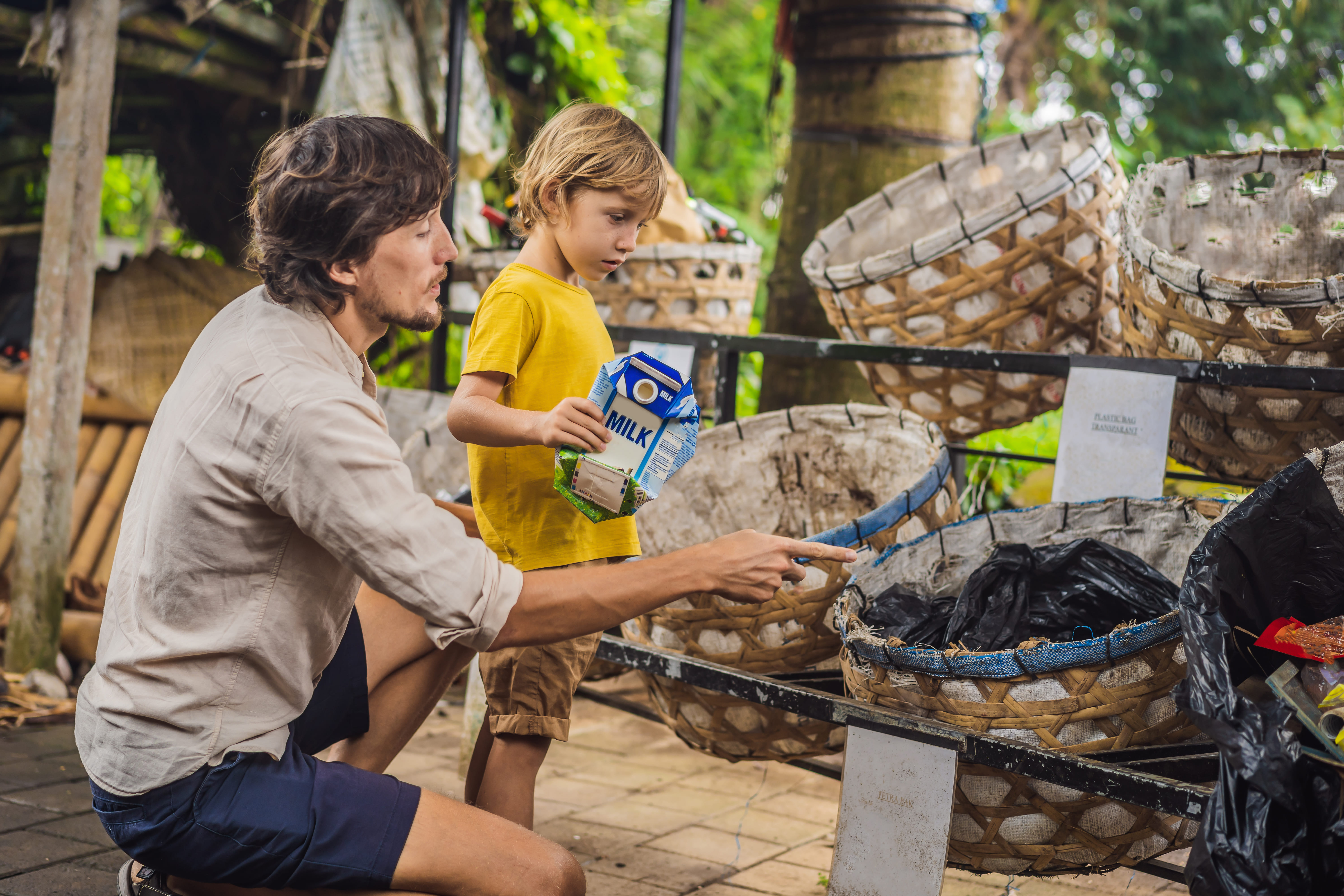
The 3-Bin Segregation Strategy A modern Bali kitchen must be engineered with a strict 3-bin segregation strategy. This needs to be built into your cabinetry or positioned accessibly.
-
The Organic Bin: A small, tightly sealed countertop or under-sink caddy lined with a compostable liner. This is emptied daily into your main outdoor Biocycle bin to prevent ants and odors.
-
The Recyclables Bin: A larger, dry bin for rinsed plastics, glass bottles, and metal cans. Crucial rule: All food residue must be rinsed off before items go in here, otherwise, it attracts pests and ruins the recycling batch.
-
The Residual Bin: The smallest bin in the house. This is for true trash, chip bags, sanitary products, and multi-layered plastics that cannot be processed.
Managing Hazardous & E-Waste Villas burn through batteries, LED lightbulbs, and charging cables. These items contain heavy metals and cannot be thrown into your standard bins. They will contaminate the groundwater. Establish a small "hazardous box" in your utility closet. Once it is full, you can utilize the specific e-waste drop-off points provided by EcoBali, or drop old electronics at designated Malo Clinic locations or specific tech retailers in Denpasar that handle electronic component recycling.
Staff Training: The Critical Point of Failure You can buy all the color-coded bins in the world, but if your villa management team does not understand the system, it will fail on day one. In Indonesian culture, "cleaning up" traditionally meant consolidating everything into one bag to make the house look spotless. You must sit down with your staff and implement clear Standard Operating Procedures (SOPs). Explain why the separation matters, not just how to do it. Print a visual guide (EcoBali provides excellent localized charts) and pin it inside the pantry. When your staff realizes that properly sorted recyclables can actually be sold to a Bank Sampah for their own supplementary income, adherence to the zero-waste system skyrockets.
The Circular Economy: Sourcing Without the Plastic
The most efficient way to manage waste is to stop bringing it into your house in the first place. The southwest coast of Bali (Canggu, Seminyak, Pererenan) has developed a robust circular economy designed specifically to bypass single-use plastics.
The Bulk Store Network
For pantry staples, cleaning supplies, and personal care items, the modern resident relies on bulk refill stations. Alive Wholefoods in Canggu and Umalas offers an extensive range of organic staples where you bring your own jars. Similarly, Zero Waste Bali provides everything from bulk spices to eco-friendly laundry detergent on tap. By dedicating one morning a month to refilling your glass jars at these locations, you instantly eliminate dozens of single-use plastic wrappers from your household pipeline.
The "Pasar" Advantage!
While premium Western supermarkets are convenient, they are notorious for wrapping single vegetables in layers of cling film and styrofoam. To truly minimize your footprint, pivot to the traditional Pasar (local market). Markets like Pasar Samadi or the morning markets in Dalung and Kerobokan offer fresher produce at a fraction of the cost. The key is operational readiness: keep a canvas tote bag and a set of reusable mesh produce bags permanently stocked in the seat of your scooter. When you arrive at the Pasar equipped, you bypass the plastic entirely, supporting local farmers directly while maintaining a zero-waste kitchen.
Operating a zero-waste household in Bali in 2026 is the baseline standard for responsible residency. By shifting your perspective from "garbage disposal" to "resource management," and by leveraging the premium private infrastructure already established on the island, you create a cleaner, more efficient living space. Equip your villa, train your home team, and outsource your recycling. It is a minor operational shift that pays massive dividends for the sustainability of the island you call home.