





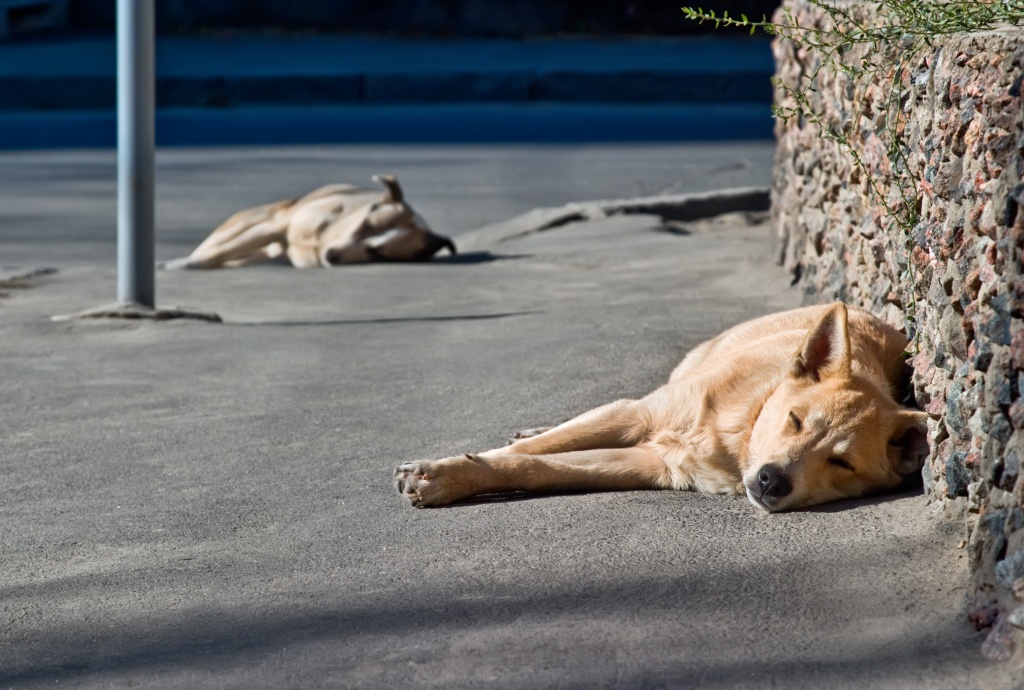
Living among the vibrant communities and agricultural zones of Bali means sharing the roads, gangs, and rice paddies with free-roaming banjar dogs and wildlife. While the provincial government is aggressively pushing toward a rabies-free island by 2028 through mass vaccination campaigns, the reality in 2026 is that rabies remains a highly endemic and serious threat.
Rabies is a devastating virus with a near 100% fatality rate once neurological symptoms appear. However, it is also 100% preventable if the correct Post-Exposure Prophylaxis (PEP) is administered swiftly. If you or someone you know sustains an animal bite in Bali, time is your most critical asset. Here is the definitive, step-by-step medical emergency response protocol based on the latest 2025/2026 World Health Organization (WHO) and Indonesian Ministry of Health guidelines.
The Critical 15-Minute Wash (Immediate First Aid)
The most vital step in surviving a rabies exposure does not happen in a hospital; it happens at the nearest sink within seconds of the attack. The rabies virus is structurally fragile. It possesses a lipid envelope that is highly susceptible to the chemical breakdown caused by ordinary soap and detergent.
Immediately place the wound under strong, running tap water. Lather the area heavily with soap and vigorously flush the wound for a minimum of 15 uninterrupted minutes. Do not rush this step. The goal is to mechanically destroy and wash away the viral load from the tissue before it has a chance to bind to your nerve endings. Once the 15-minute flush is complete, generously apply a strong topical antiseptic to the wound. Povidone-iodine (such as Betadine) or 70% ethanol alcohol are highly effective at neutralizing any residual virus.
Under no circumstances should you tightly bandage the wound, and you must explicitly forbid any local clinic from immediately stitching or suturing the bite closed. Suturing a fresh animal bite seals the anaerobic environment and traps the rabies virus deep inside the tissue, drastically accelerating its journey to the central nervous system. If a severe wound structurally requires closing, a doctor will only do so after a specific antibody treatment has been injected directly into the wound margins.
Assessing the Exposure Category
As you prepare to travel to a medical facility, assessing the severity of the wound is essential, as medical professionals use a strict WHO categorization system to dictate your exact treatment protocol.
Category I exposures involve touching, feeding, or receiving licks on entirely intact skin. In these scenarios, there is no risk of transmission, and a thorough washing is the only required action. Category II exposures are defined as minor scratches or abrasions that do not draw active blood, or nibbles on uncovered skin. This requires immediate wound washing and the initiation of the active rabies vaccine series.
Category III is the most severe classification and requires the most aggressive medical intervention. This includes any single or multiple bites that break the skin, any scratch that draws blood, or the contamination of mucous membranes, such as animal saliva entering your eyes or mouth. Most crucially, any bite located on the head, neck, face, or hands is automatically treated as a Category III emergency because these areas are densely packed with nerve endings and sit dangerously close to the brain.
The 24-Hour Clinical Window (PEP Protocol)
You must seek formal medical attention within the first 24 hours of an exposure. Do not delay treatment to observe if the animal looks sick, and do not wait for laboratory test results.
The foundation of your clinical treatment is the Vaksin Anti-Rabies (VAR), such as Verorab. This is an inactivated vaccine that trains your immune system to produce protective antibodies. If you have not received prior preventative vaccines (PrEP), you will undergo a multi-dose series injected into your deltoid muscle. The standard WHO schedule requires visits to the clinic on Day 0 (the day of the bite), Day 3, Day 7, Day 14, and sometimes a final booster on Day 28.
If you have suffered a Category III exposure, the doctor must also administer Rabies Immunoglobulin (HRIG or SAR). While the VAR takes time to stimulate your immune system, HRIG provides instant, passive immunity. It is a highly concentrated dose of human-derived antibodies injected directly into and around the wound site to immediately neutralize the virus on contact. This is a complex biological product that must be administered on Day 0 alongside your first vaccine dose.
Navigating Bali’s Medical Logistics and Costs
Knowing exactly where to go in Bali is just as important as knowing the medical steps, as there is a massive disparity in supply and cost between public and private healthcare sectors.
Public government facilities, such as RSD Mangusada in Badung or RSUP Prof. Ngoerah (Sanglah) in Denpasar, are the primary hubs for government-subsidized VAR. Treatment here is highly affordable. However, public hospitals frequently face severe supply shortages of the expensive HRIG. If you suffer a severe Category III bite and require the Immunoglobulin, relying on public hospitals can result in dangerous delays.
Private international facilities, including BIMC (Kuta and Nusa Dua), Siloam Hospitals, and specialized clinics like Life Everyouth or Saline Bali Clinic, reliably maintain strict cold-chain storage for both VAR and HRIG. The trade-off is the extreme financial cost. Because HRIG dosage is calculated based on your exact body weight and requires intensive manufacturing, a full Category III PEP treatment at a private Bali clinic can range anywhere from $300 to over $2,000 USD. If you are relying on expat or travel health insurance, be prepared to pay these exorbitant costs completely upfront out-of-pocket, as most international insurers operate strictly on a post-treatment reimbursement model for outpatient rabies care.

The 14-Day Animal Observation Protocol
If the dog or cat involved in the incident is owned by a local resident or the banjar and is safely contained, you can monitor the animal following your initial treatment. According to Indonesian veterinary standards, the observation period lasts for 14 days.
If the animal remains completely healthy and shows no neurological symptoms after two weeks, you can consult your primary physician about safely discontinuing the final doses of your VAR series, as transmission has been definitively ruled out. However, you must Never delay your initial Day 0 vaccine while waiting to observe the animal. If the animal disappears, becomes sick, or dies during that two-week window, you must complete the entire vaccination schedule without interruption.