





Relocating a pet across the Indonesian archipelago is not as simple as buying an extra ticket. Because Indonesia consists of thousands of islands with vastly different ecological and health statuses, the government enforces strict zoning laws and veterinary protocols to prevent the spread of diseases.
Whether you are moving across Java by train or flying to a new island, successfully transporting your pet requires navigating a web of paperwork, quarantine regulations, and varying commercial transport policies. Here is the definitive guide to moving your furry family members safely and legally within Indonesia.
Essential Health Documents
No matter which mode of commercial transportation you choose, the Indonesian government, specifically through Badan Karantina Indonesia, strictly mandates a set of core documents for domestic inter-island travel. Without these, your pet will be unconditionally denied boarding at any port or airport.
- Surat Keterangan Kesehatan Hewan (SKKH): This official certificate must be issued by a licensed veterinarian from your local district's Animal Husbandry or Agriculture Office (Dinas Peternakan). The validity period is short and may vary by issuing authority and route, so owners should confirm the exact timing with the local Dinas and quarantine office before travel
- Buku Vaksin (Vaccination Book): This proves up-to-date core vaccinations; for Rabies-Transmitting Animals, the rabies vaccine must have been administered at least 30 days prior to travel, but not more than a year prior.
-
Rabies Antibody Titer Result: This result is required by Badan Karantina Indonesia for rabies-transmitting pets traveling inter-island, proving sufficient rabies antibody levels.
-
Surat Karantina (Quarantine Clearance): This is the final legal clearance letter issued by the Agricultural Quarantine Office at your departure terminal. Quarantine procedures can include document checks, physical inspection, and sometimes observation or isolation, depending on the route and risk.
Navigating the Border’s Laws
Indonesia’s pet travel laws are heavily dictated by regional disease statuses. The country is divided into Rabies-Endemic and Rabies-Free zones, and moving pets between these ecological borders is heavily restricted to protect vulnerable wildlife and human populations.
The golden rule of Indonesian pet transport is that you are legally prohibited from moving any Rabies-Transmitting Animal from a Rabies-Endemic zone into a historically Rabies-Free zone. Indonesia classifies regions by rabies status, and this status can change. As of the 2025 Ministry of Health circular, 26 provinces are rabies-endemic and 12 are rabies-free. Always confirm the latest status with Badan Karantina Indonesia and the destination province before moving a pet. Attempting to bypass these borders can result in the immediate seizure and euthanization of the animal by local authorities.
Bali enforces some of the strictest pet border controls in the nation. Governor Regulation No. 88 of 2008 and Keputusan Menteri Pertanian Nomor 1696/Kpts/PD.610/12/2008 officially ban the direct entry and exit of dogs, cats, and monkeys into or out of Bali. Because Bali remains subject to special rabies-control and quarantine restrictions, moving dogs, cats, or monkeys into or out of Bali should only be done with written confirmation from the relevant quarantine authority. Many owners use licensed relocation agents because the documentation, permits, and route planning can be complex.
Commercial Transport Policies
Every mode of commercial transport in Indonesia has different operational rules, weight limits, and safety requirements for live animals. Understanding these limitations is vital before booking a ticket.
Aviation Regulations
Pets are generally not accepted in the passenger cabin on most Indonesian domestic flights and must be transported through the airline’s approved live-animal baggage or cargo process, depending on the airline and route. Garuda limits this service to direct domestic flights under two hours to minimize stress.
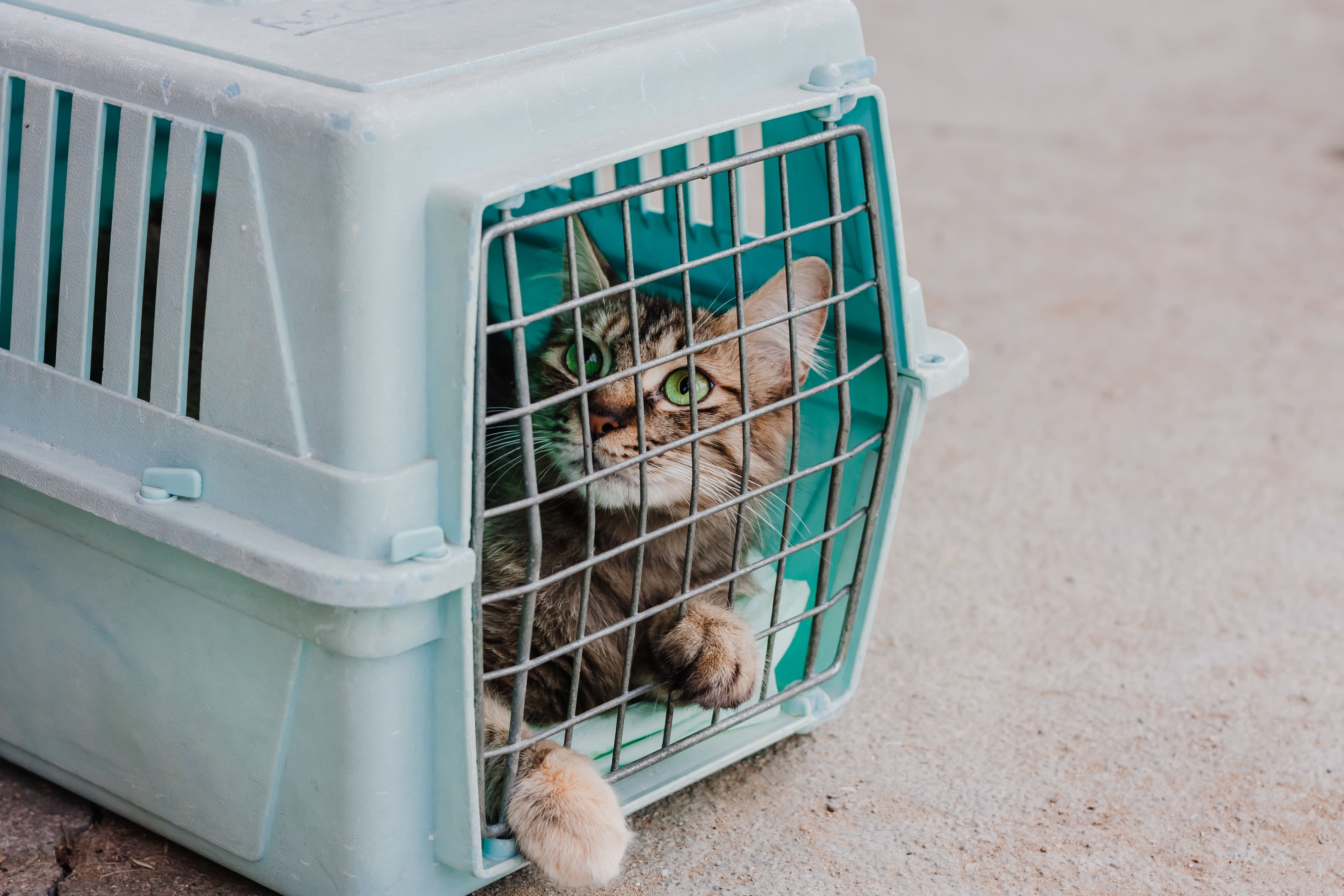
Crucially, airlines impose strict breed bans. Many airlines restrict or refuse snub-nosed breeds because of breathing-risk concerns, so owners should confirm acceptance directly with the airline or cargo agent before booking. For permitted breeds, owners must use an IATA-approved, hard-shell carrier with secure metal locks and a waterproof bottom. Airlines also impose strict weight limits; Garuda, for instance, generally caps the combined weight of the pet and the crate at 32 kg.
Railway Logistics (PT KAI & KALOG Express)
PT KAI strictly forbids passengers from bringing pets into standard passenger train cabins. However, moving pets by rail has become incredibly popular via KAI's specialized logistic service, KALOG Express. Your pet is loaded onto a KAI Logistik’s pet shipment/logistics service that features onboard escorts who regularly check the condition of the animals during transit.
To use KALOG, owners must provide a highly durable pet cargo carrier secured with additional safety measures, such as cable ties on the doors. You are also required to equip the crate with sufficient food and water dispensers. You must present a photocopy of your KTP, the pet's Buku Vaksin, and a valid SKKH. Keep in mind, this is strictly a "station-to-station" service; you must drop the pet off at the departure cargo terminal and arrange for immediate pickup at the destination. Train transport is highly accessible, making it a common option for overland pet moves across Java.
Overland Transport: Private Vehicles, Shuttles, and Buses
For purely overland, inter-city transport on the same landmass, the logistics depend heavily on the vehicle chosen:
-
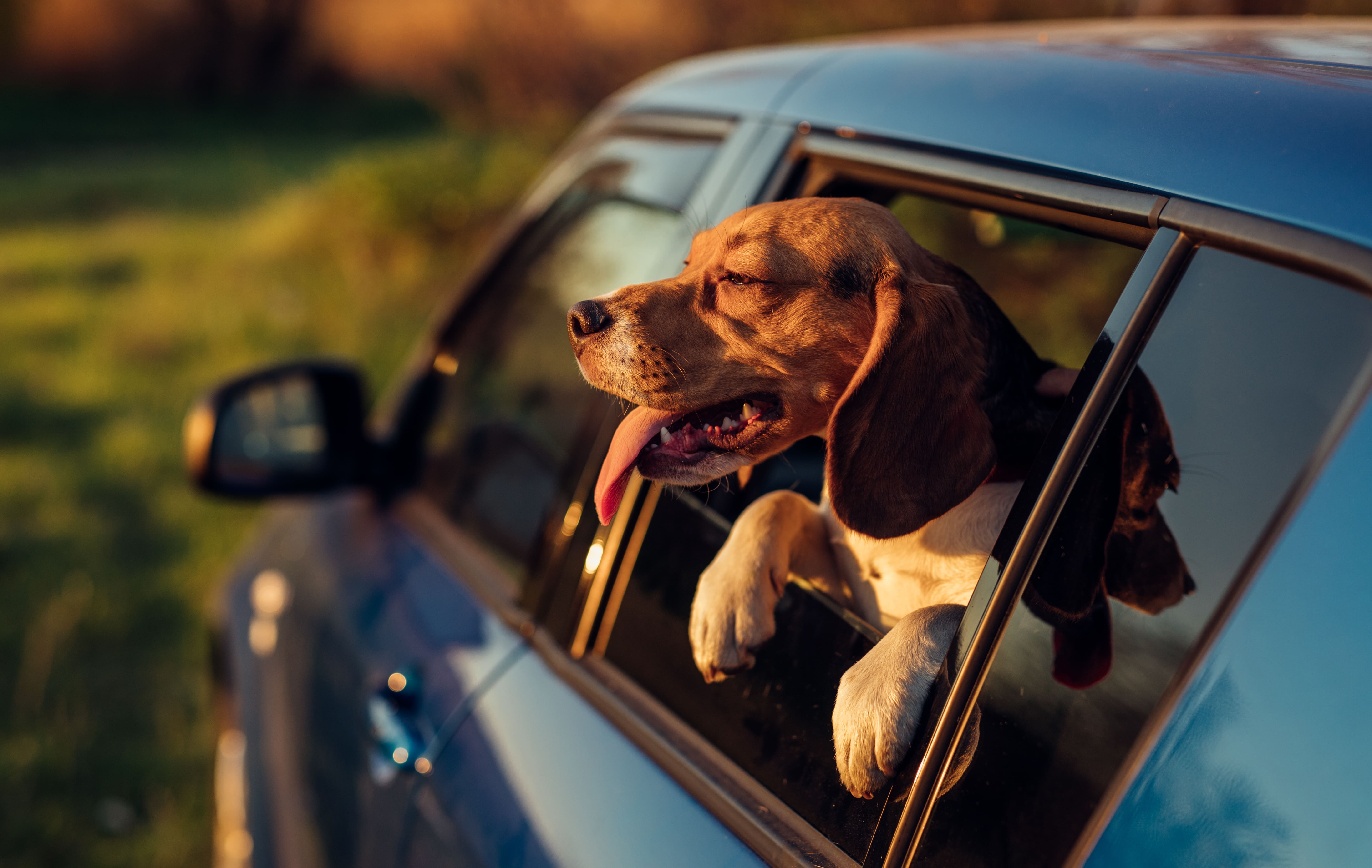
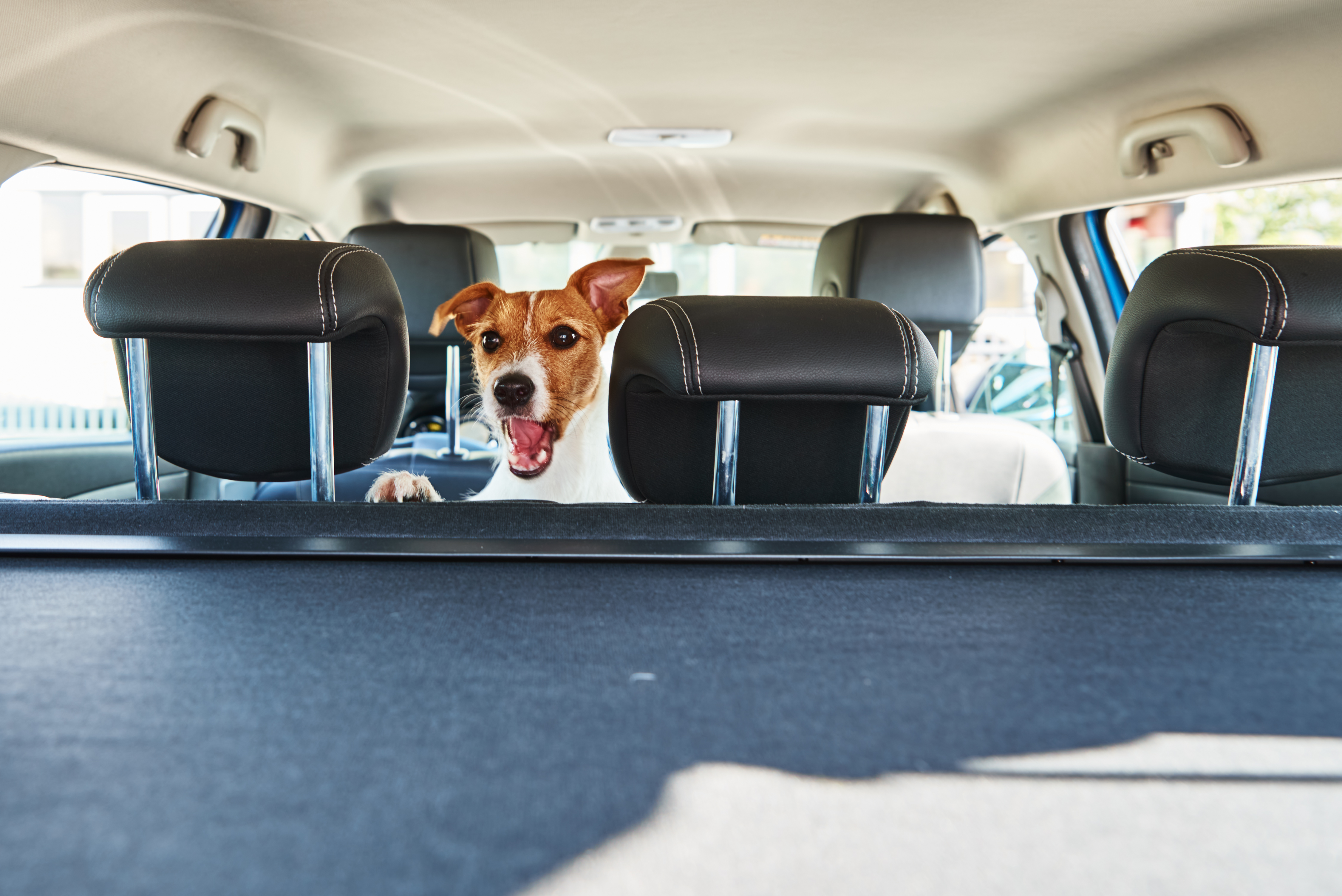
Private Vehicles (Self-Driving): If driving yourself, enforcement depends on the borders. Intra-province drives (e.g., Jakarta to Bandung) rarely encounter agricultural checkpoints. Crossing inter-province borders legally requires an SKKH, though passenger cars are rarely stopped unless there is an active disease outbreak. Always ensure your pet is crate-trained or securely harnessed in the backseat to prevent distractions on Indonesian toll roads.
-
Commercial Pet Shuttles (Travel Hewan): If you cannot drive, hiring a dedicated Travel Hewan is the premium alternative. These privately operated, air-conditioned minivans (like Toyota HiAce) are retrofitted for door-to-door pet delivery across Java and Sumatra. Reputable services provide scheduled rest stops, continuous climate control, and often handle the SKKH paperwork processing for you.
-
Public Inter-City Buses (AKAP): A definitive warning, never put your pet on a public inter-city bus. Major operators usually strictly ban pets in the passenger cabin. Albeit some rogue conductors may still offer to store the pet in the lower luggage compartment (bagasi bawah) for a bribe. These compartments have zero ventilation, no climate control, and sit next to hot engine exhausts. Pets placed here are at extreme risk of fatal heatstroke or carbon monoxide poisoning.
Maritime Crossings (PT PELNI vs. Local Ferries)
The national shipping line, PT PELNI, actively enforces a strict ban on passengers bringing live animals aboard their massive passenger vessels to maintain hygiene and comfort for long-haul routes.
For Ro-Ro ferries, policies can vary by route and operator. Travelers should confirm the rules before departure, prepare quarantine documents, keep pets secured in an approved carrier, provide water, and follow crew instructions. Never leave a pet in a hot or poorly ventilated vehicle.
Preparation and Costs: DIY vs. Agency
A "Do-It-Yourself" transport is highly economical, involving only standard quarantine administration fees and SKKH veterinary check-up costs. This method provides a higher degree of personal safety and control.
When flying, the primary cost is the airline's excess baggage fee, which is calculated based on the volumetric weight of the crate. However, if you are attempting a complex move, such as the overland route into Bali, hiring a professional pet relocation agency is often mandatory. These agencies handle the delicate chain of custody documentation and exhaustive overland driving logistics.
Agency fees vary widely depending on the route, animal size, quarantine requirements, and whether overland transport is needed. Always request a written quote.
Finally, never sedate your pet before a flight.
The International Air Transport Association (IATA) and local airlines strongly advise against tranquilizers, as they lower the animal's blood pressure and reduce their ability to naturally regulate their body temperature in the cargo hold. Instead, focus on crate training your pet weeks in advance, adding familiar-smelling clothing to the carrier to ensure they remain calm and comfortable throughout their Indonesian journey.