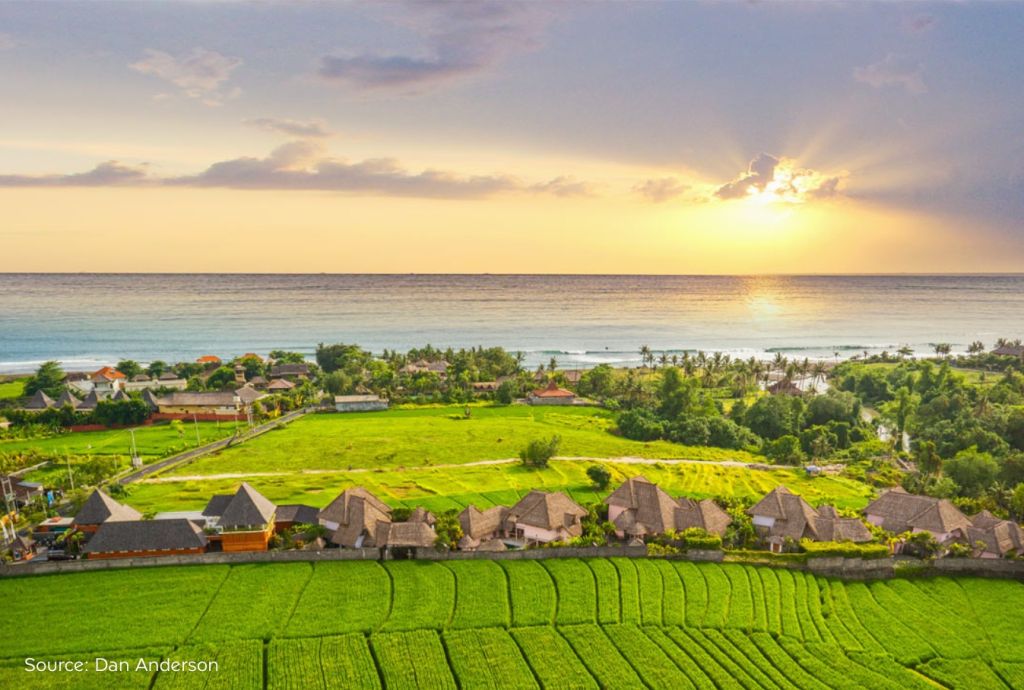





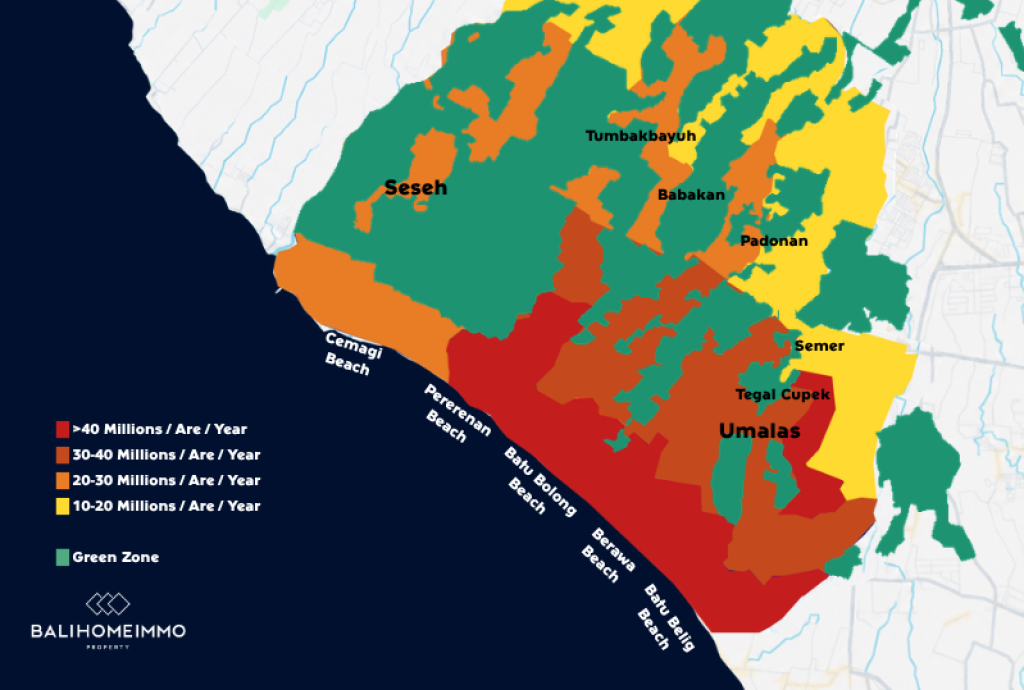
Gone are the days of speculative, anecdotal land pricing where a beachfront parcel could be secured on a whim. As we move through 2026, West Bali’s market has matured into a sophisticated, highly stratified financial ecosystem. Land valuation is no longer a guessing game; it is a predictable, data-driven matrix defined by rigid village lines, immediate beach proximity, and commercial density.
For international investors and institutional developers aiming to deploy capital efficiently, understanding this established baseline is the first mandatory step in securing a defensible, high-yielding asset. The market now accurately prices in convenience, infrastructure, and zoning, rewarding those who understand exactly what tier of land they are acquiring.
Before analyzing the specific coastal corridors, investors must grasp the fundamental
The Apex Beachfront (IDR 40 - 50+ Million / Are / Year)
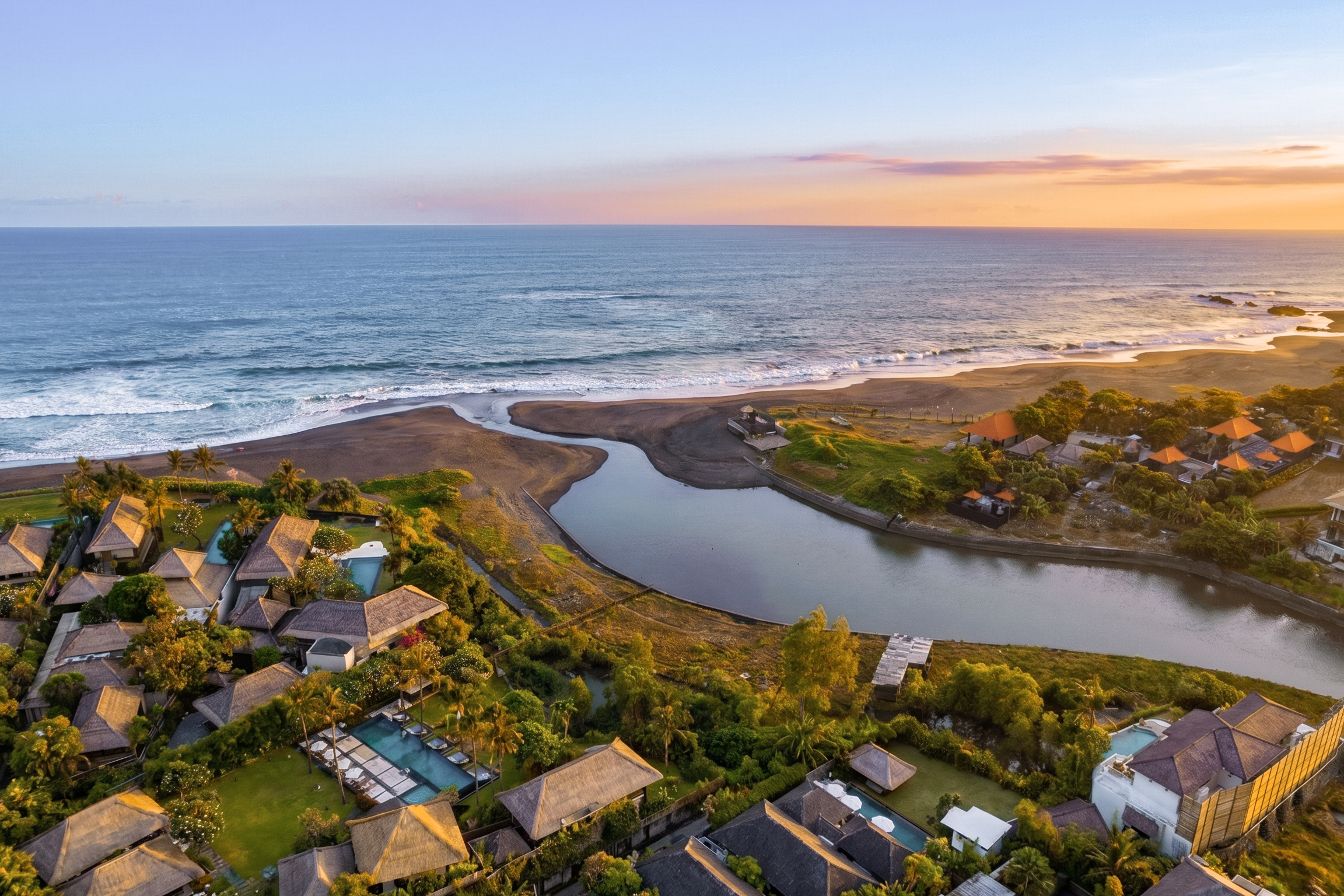
The Hubs: Pererenan, Berawa, and Batu Bolong.
Capital is deployed here for wealth preservation and undeniable brand prestige, backed by institutional capital and unparalleled high-end infrastructure that supports Bali’s highest nightly rental rates. Investors are buying into the island’s most established commercial ecosystems.
While Pererenan, Berawa, and Batu Bolong share the top pricing bracket, their demand profiles differ. Pererenan is the most curated, low-density zone, appealing to higher-spending, longer-stay guests with its boutique cafés and design-led villas, driving stability and pricing resilience. Berawa is dynamic and commercially intense, with anchors like Finns Beach Club and Atlas creating continuous foot traffic and supporting a broad demand base, but requiring effective property positioning due to high competition. Batu Bolong is the highest-velocity tourism engine, generating constant short-term demand and strong occupancy volume through concentrated venues. It faces the most competitive pricing pressure, requiring significant architectural differentiation.
Acquisition requires immense capital, compressing gross ROI percentages, so investment focuses on blue-chip stability and long-term liquidity. This zone also demands a strict “legality premium,” as assets must maintain flawless ITR Tourism (Pink Zone) compliance to justify the land costs.
The Premium Commercial Core (IDR 30 - 40 Million / Are / Year)
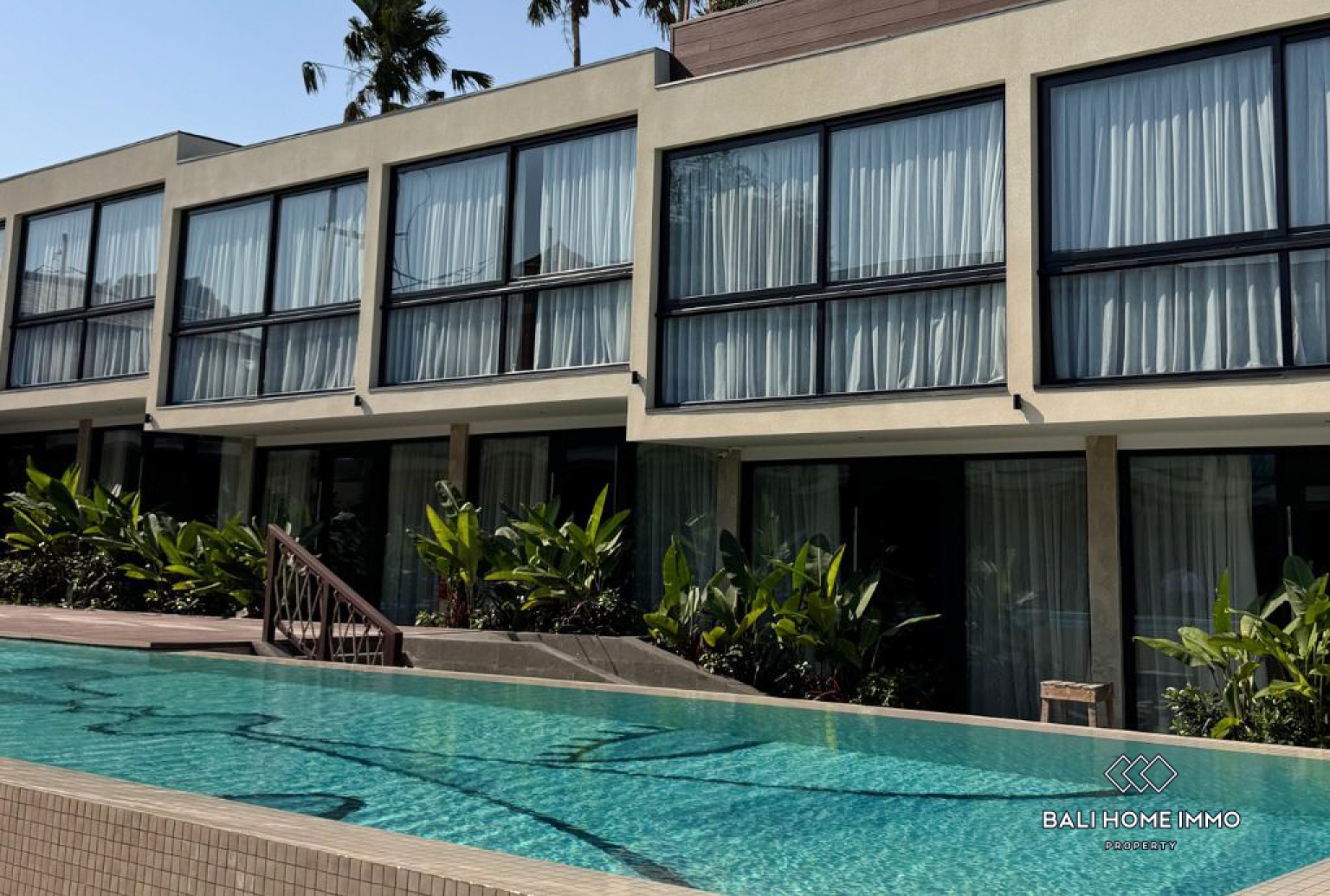
The Hubs: Berawa Inland, Canggu (Batu Bolong to Kayu Tulang) & Padang Linjong, alongside the premium sectors of Umalas
If the Apex beachfront represents pricing power through proximity, the Premium Commercial Core represents pricing power through density. These areas no longer rely on being steps from the sand, but instead derive their value from the concentration of lifestyle infrastructure that surrounds them. Cafés, co-working spaces, fitness hubs, and retail clusters form a continuous network of activity, creating an environment where demand is sustained throughout the day rather than concentrated around the beach.
Within this tier, the inland grids of Berawa and Canggu operate as the most dynamic segments. Areas such as Kayu Tulang and Padang Linjong are deeply embedded within the island’s digital nomad and short-stay ecosystem, attracting a steady flow of guests who prioritize connectivity and access over beachfront positioning. The demand here is constant, but it is also highly competitive. As supply has expanded, the market has split between two clear outcomes: highly designed, professionally managed villas that maintain strong pricing, and generic stock that competes aggressively on discounts to sustain occupancy.
Umalas, however, introduces a different dimension to this tier. While it shares similar pricing levels, its demand is not driven by tourism intensity but by residential quality. Positioned between Seminyak and Canggu, Umalas benefits from international schools, quieter roads, and a more structured living environment. This allows it to command commercial-level pricing without relying on daily rental turnover, instead attracting longer-stay tenants and expatriate families. The result is a more stable, less volatile demand profile that contrasts sharply with the high-velocity nature of the Canggu grid.
At this level, success is no longer dictated by location alone, but by execution. Investors entering this tier must commit to architectural clarity, operational efficiency, and a clear understanding of their target market. The margin for error narrows significantly, as the difference between a high-performing asset and an underperforming one is defined less by geography and more by how effectively the property differentiates itself within a saturated landscape.
The Upscale Expansion (IDR 20 - 30 Million / Are / Year)
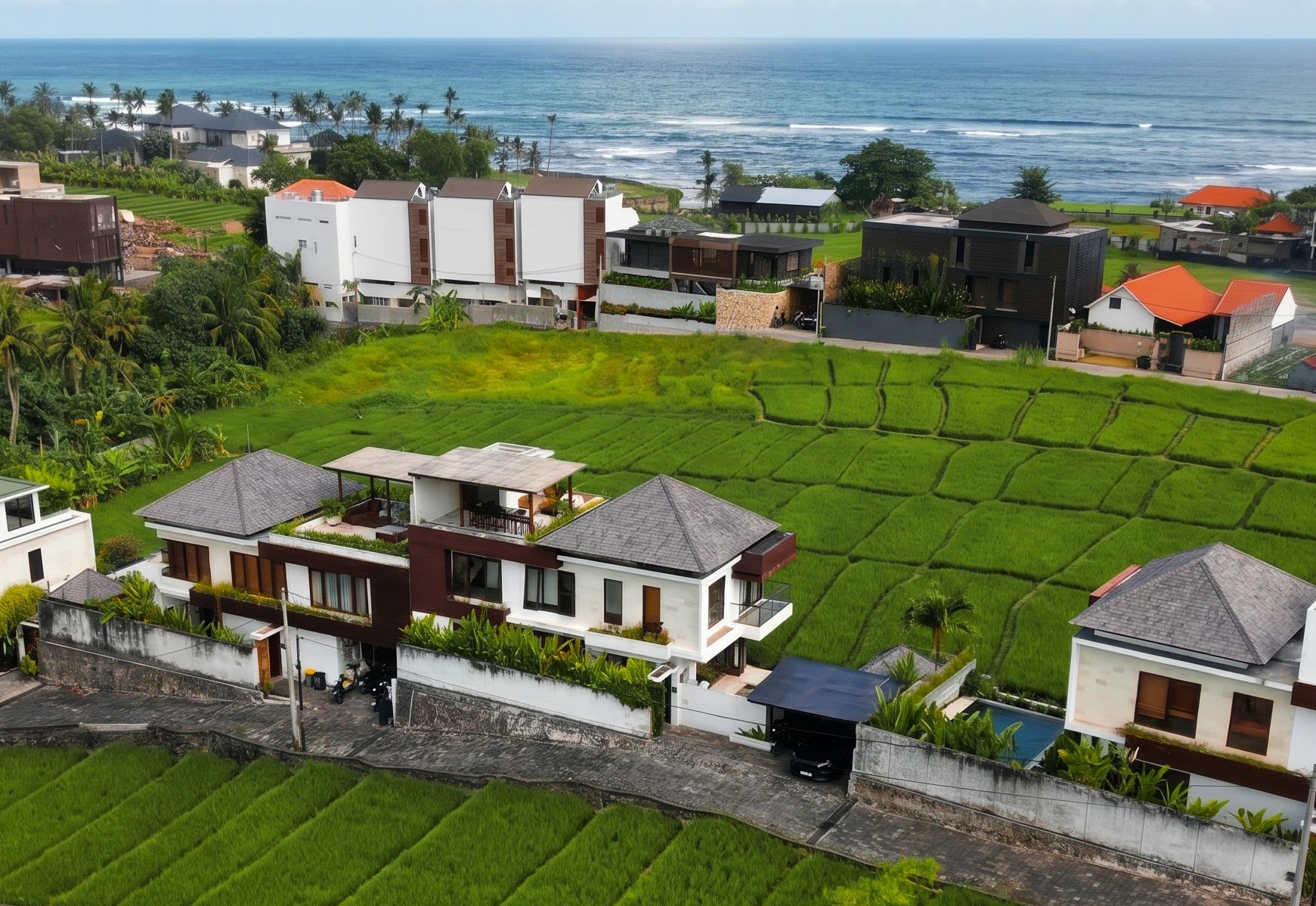
The Hubs: Seseh and Cemagi Beach Side, and Umalas Tegal Cupek
This tier represents the transition between established markets and emerging value. It is where investors begin to step away from the fully priced core and position themselves along the island’s next line of expansion, balancing lower entry costs with increasing long-term potential.
Along the western coastline, Seseh and Cemagi offer a fundamentally different proposition compared to the commercial intensity of Canggu. These areas are defined by their low-density character, minimal retail presence, and uninterrupted coastal views. The absence of large-scale commercial infrastructure is not a weakness, but a defining feature. It attracts a specific segment of the market, high-net-worth individuals seeking privacy, space, and a more “pure” version of Bali. Demand here is quieter but more intentional, often centered around larger, privately owned villas rather than high-turnover rental assets.
In contrast, Umalas Tegal Cupek operates as a natural extension of the established Umalas market. It benefits from the same proximity to Seminyak and Berawa, while offering slightly lower entry pricing and more development flexibility. The demand profile remains residential and long-stay oriented, supported by families and expatriates who prioritize livability over immediate beach access. This creates a more predictable demand base, even as the area continues to evolve.
However, this tier introduces one of the most critical variables in Bali real estate: zoning. The Seseh and Cemagi corridors are heavily intersected by protected Green Zones, meaning that not all land is equally usable. Two plots may appear identical in location and pricing, yet only one may be legally buildable. As a result, value in this segment is not defined purely by geography, but by regulatory clarity. Investors must approach this tier with a higher level of due diligence, as the difference between a successful acquisition and a non-viable asset often lies in zoning verification rather than market demand.
The Pragmatic Residential (IDR 10 - 20 Million / Are / Year)
-
The Hubs: Babakan, Northern Seseh/Cemagi Beachside, Umalas Semer, and some parts of Canggu.
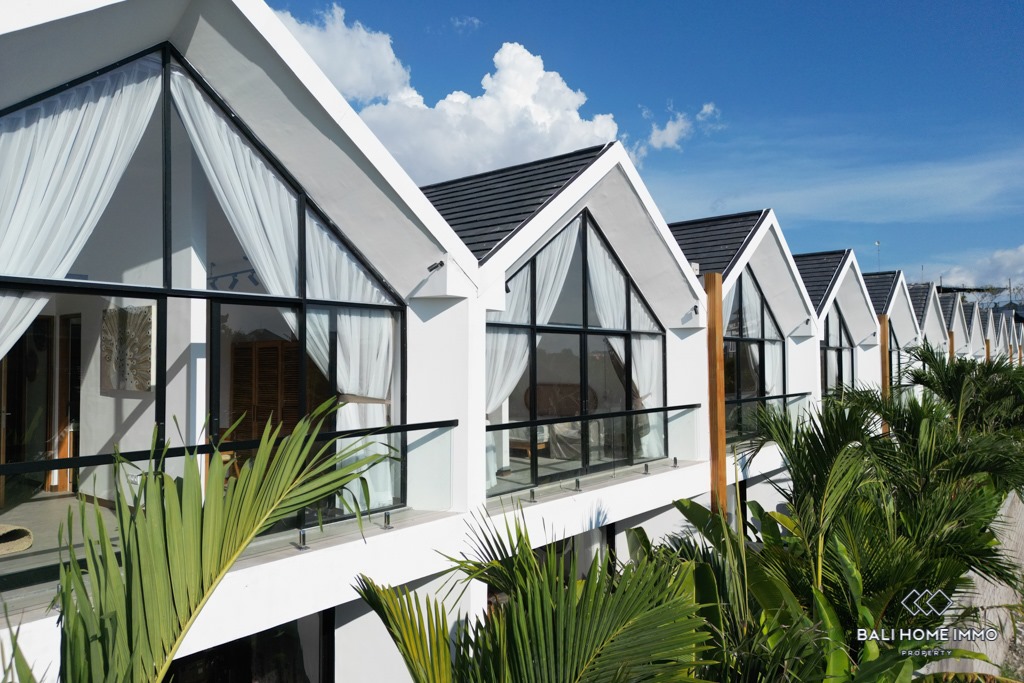
At the base of the pricing structure lies the most operationally efficient tier in the market. This segment does not compete on prestige or proximity, but on functionality. It reflects a broader shift in demand toward what can best be described as “Practical Luxury”, spaces designed for living, not just short-term stays.
Areas such as Babakan, Padonan, and the northern extensions of Canggu exemplify this transition. These locations offer quieter environments, larger land plots, and a layout that supports long-term residency rather than short-term tourism. The demand here is driven by remote professionals, expatriates, and long-stay tenants who prioritize enclosed living spaces, reliable infrastructure, and daily usability over beach access. As a result, occupancy in these areas is often supported by longer booking durations and reduced turnover, creating a more stable operational model.
Umalas Semer and Kerobokan further reinforce this structure by acting as central residential anchors within the west-side ecosystem. Their value lies in connectivity rather than branding, providing direct access to Seminyak, Berawa, and Canggu while maintaining a more practical, livable environment. These areas are supported by supermarkets, schools, and essential services, making them attractive not only to tenants but also to buyers seeking a functional home base rather than a purely investment-driven asset.
What distinguishes this tier is not its ability to outperform dramatically, but its ability to perform consistently. With lower entry costs and strong alignment with long-stay demand, it offers a highly defensive yield profile. In a market where volatility is becoming more visible in higher tiers, this segment provides a level of stability that is increasingly valuable to investors focused on long-term performance rather than short-term peaks.
Why Your Final Price Will Vary
The data provided establishes the definitive 2026 baseline, but executing a successful acquisition requires acknowledging that real estate pricing is inherently fluid. The final negotiated rate on a leasehold agreement will inevitably flex based on specific asset variables that can drastically alter the commercial viability of a plot.
Zoning (ITR)
The single most influential variable on land price is the official spatial zoning (ITR). A parcel designated as a "Pink Zone" (Tourism/Commercial) will always command a massive premium over "Yellow" (Residential) or "Green" (Agricultural) zones, even if those plots are located on the exact same street. Pink Zone land allows for the legal operation of daily rental properties, boutique hotels, and restaurants, offering maximum yield potential. If a landowner holds a highly coveted Pink Zone plot in a predominantly Yellow neighborhood, they possess total leverage in the negotiation and will price the land significantly above the area's baseline average.
Access & Topography
Physical logistics directly dictate construction overhead, and therefore, land value. A perfectly rectangular, flat plot with a secure, 4-meter paved car access road is ready for immediate, frictionless development. This optimal topography costs significantly more than a triangular, sloping plot hidden down a 2-meter dirt gang. Irregular shapes reduce the usable footprint of the land, while poor access dramatically increases the cost of transporting heavy construction materials to the site. Landowners know this, and heavily discount logistically challenging plots, meaning a "cheap" piece of land often results in a vastly more expensive build.
Lease Terms & Landlord Motivation
Finally, the structure of the lease itself is a massive financial lever. The baseline prices quoted are typical annual rates, but requesting a 30-year lease versus a standard 20-year or 25-year lease fundamentally changes the negotiation dynamics. Committing to a longer term requires the landowner to lock their asset away for decades, often prompting them to demand a higher per-are rate to hedge against future inflation. Conversely, a highly motivated local landowner in need of immediate liquidity might willingly undercut the established "market baseline" by 10% to 15% in exchange for a rapid, upfront cash closing. Understanding the human element behind the transaction is often the key to securing the best possible acquisition rate in West Bali.