





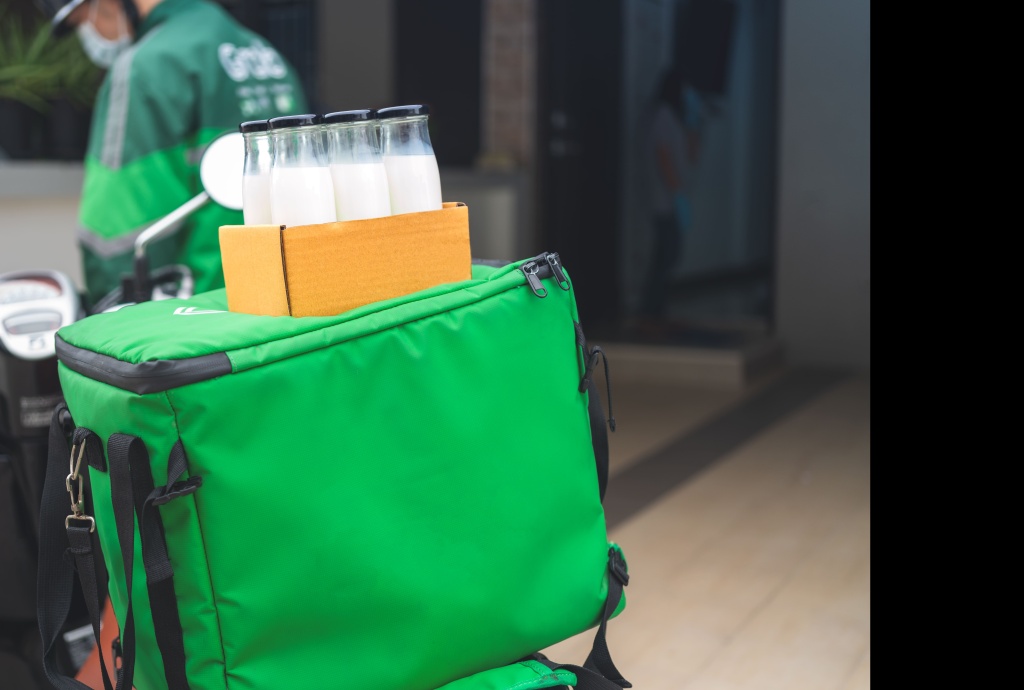
If you are relocating to Bali, one of the very first things you will notice is that the island does not operate on traditional infrastructure. There are no sprawling subway systems, and relying on street-hailing standard taxis is a quick way to drain your daily budget. Instead, Bali runs almost entirely on two major super-apps: Gojek (the homegrown Indonesian giant) and Grab (the Singapore-based heavyweight).
For digital nomads, expats, and investors, these apps are not just a luxury; they are an absolute necessity for survival. The beauty of these super-apps is their astonishing mapping accuracy and fleet size. Whether you are rushing heavy gear across Canggu for a property video shoot, or simply trying to get a late-night GoFood delivery to your kostan tucked deeply within a protected P-1 agricultural zone, these drivers will reliably find you.
However, mastering the Gojek and Grab ecosystem requires knowing exactly when, where, and how to use each app. Here is the definitive guide to navigating Bali’s digital transport and delivery networks in 2026.
Two Wheels vs. Four Wheels
Understanding the traffic flow in Bali dictates which vehicle you should order. The difference between booking a car and booking a scooter can literally mean saving an hour of your time.
-
The Scooter Advantage (GoRide & GrabBike): For anything under 10 kilometers, booking a motorbike taxi is the undisputed standard. Bali is famously connected by a vast network of gangs (narrow shortcuts that cars physically cannot enter). A GoRide driver can easily zip through the Canggu shortcut or bypass the gridlock on Jalan Sunset Road, getting you to a coworking space or dinner reservation for under approx. 32,000 IDR ($2 USD).
-
The Four-Wheel Protocol (GoCar & GrabCar): Cars are generally reserved for three specific scenarios: airport runs (because of luggage), traveling with groups, or the rainy season. It is vital to note that during the 4:00 PM to 7:00 PM rush hour, taking a car through Seminyak or Berawa means you will essentially be sitting in a rolling parking lot. Always factor in severe delays if you opt for four wheels during peak sunset hours.
Why You Need Both Apps
The most common mistake new arrivals make is only downloading one app. You absolutely need both, primarily because of how they handle foreign payments.
-
The Grab Advantage for New Arrivals: Grab is significantly more friendly to international credit cards. You can typically download the app at the airport, link your foreign Visa or Mastercard, and immediately book your ride to your villa without dealing with cash. For short-term visitors, Grab is entirely frictionless.
-
The Gojek Payment Hurdle: Gojek is notoriously strict with foreign cards, frequently failing transactions due to 3D Secure authentication issues. To use Gojek effectively, you need to rely on their digital wallet, GoPay. Expats bypass the credit card issue by topping up their GoPay balance using an international transfer service like Wise, or simply handing cash to a cashier at a local Indomaret or Alfamart convenience store to instantly load their digital wallet.
The "Everything" Delivery Ecosystem
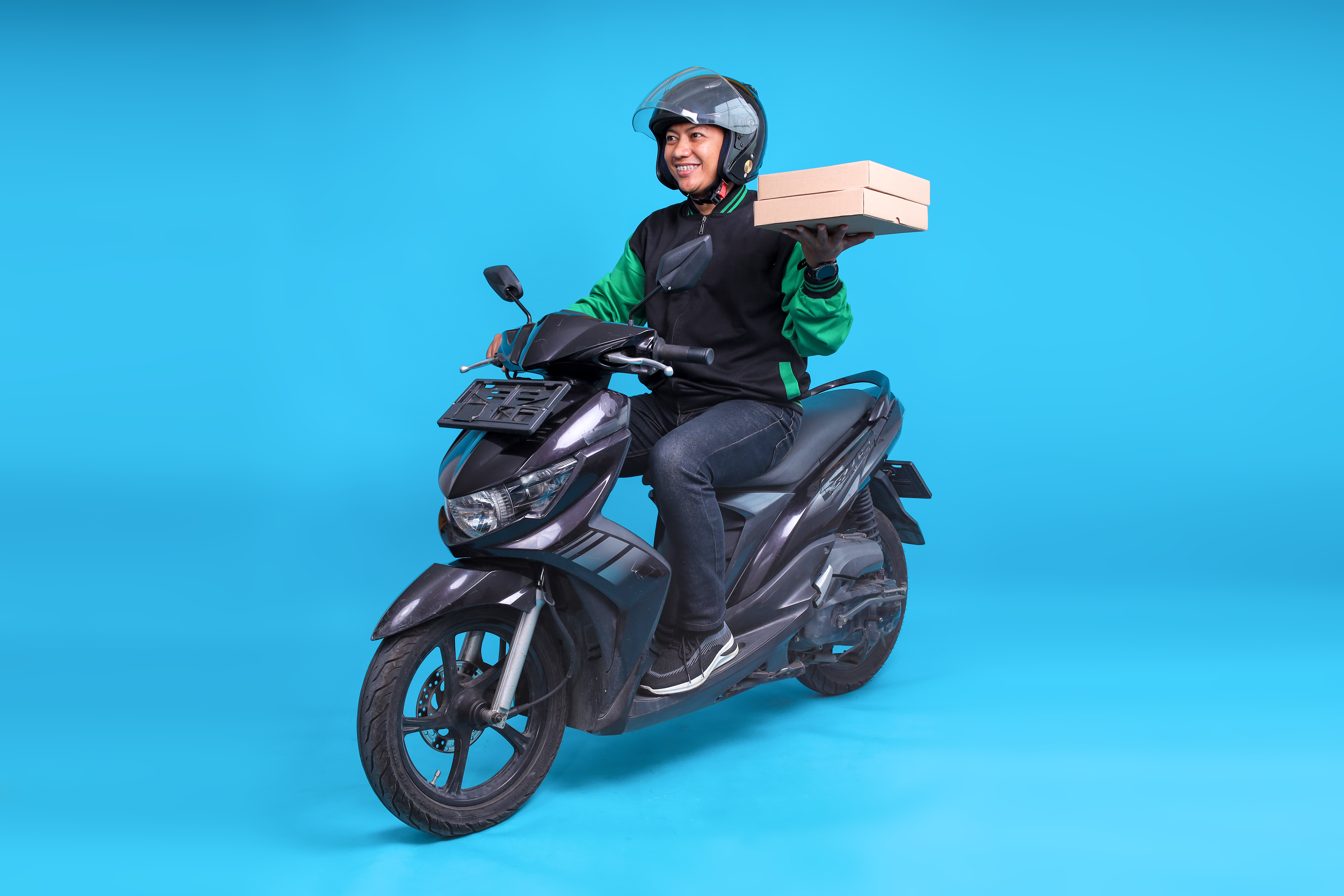
These platforms are called super-apps because transportation is just the baseline. The delivery logistics network in Bali is arguably more advanced and affordable than in most Western cities.
GoFood & GrabFood: The culinary scene on the island is heavily integrated with both apps. From a 30,000 IDR local nasi campur to high-end artisanal sourdough and imported steaks, you can get almost anything delivered to your door in under 40 minutes.
Insider Tip: Both apps offer aggressive loyalty programs (like Grab Unlimited). For roughly approx. 32,000 IDR ($2 USD) a month, you receive free delivery vouchers that pay for themselves after just two orders.
GoSend & GrabExpress: This is the true secret weapon for working professionals in Bali. If you leave a camera battery at your office, need to send physical legal documents to a notary, or want to deliver a set of villa keys across town, you simply order a courier through the app. A driver will arrive within minutes, securely take your item, and deliver it across the island for a few dollars. It completely removes the need to run menial errands in heavy traffic.
GoMart & GrabMart: Need a phone charger, sunscreen, a bottle of wine, or a week's worth of groceries? The "Mart" feature connects you directly to local supermarkets and specialty stores. A driver acts as your personal shopper, picking up the items and delivering them immediately.
Navigating the "No Ojol Zone"
While the apps dominate the island, there are specific territorial rules you must respect. Certain areas in Bali, often referred to as "Red Zones" or "No Ojol Zones", are strictly controlled by local, village-level taxi associations.
-
How it works: In these specific areas (often around major tourist hubs, certain beaches, or remote villages), app-based drivers are banned from picking up passengers. If you try to order a Gojek inside a Red Zone, the driver will either ask you to walk outside the boundary or cancel the ride out of fear of confrontation with the local drivers.
-
The Workaround: The apps are geofenced, meaning they often won't even let you drop a pin in a restricted zone. The standard protocol is simply to walk a few hundred meters down the road to a neutral area, drop your pin there, and wait for your driver. Drop-offs, however, are universally allowed, an app driver can take you into any village; they just cannot pick you up for the return trip from that exact spot.