





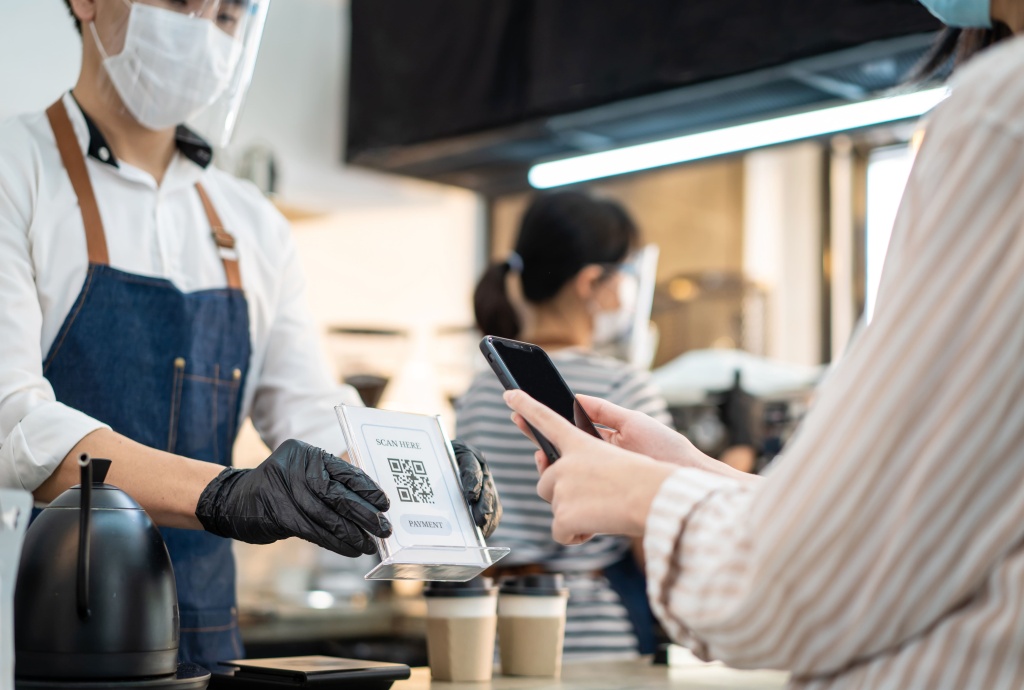
Bali is no longer the cash-heavy destination many travelers expect. Over the past few years, the island has undergone a quiet but significant shift toward digital payments, transforming how daily transactions are handled across both tourist hubs and local neighborhoods.
Today, it is entirely possible to spend several days in areas like Canggu, Seminyak, or Uluwatu without touching physical cash. From beach clubs and boutique cafés to minimarkets and even smaller warungs, digital payments have become the default rather than the exception.
However, this system is not built around international credit cards alone. Bali operates within a local-first digital ecosystem, where QR-based payments and domestic e-wallets dominate. For foreigners, understanding how this system works is not just about convenience, it is about avoiding unnecessary fees, failed transactions, and daily friction.
To navigate Bali efficiently in 2026, you need to understand three things: how QRIS works, how to access local e-wallets, and when traditional payment methods still matter.
The Reign of QRIS (Indonesia’s must have!)
At the center of Indonesia’s digital payment system is QRIS, short for Quick Response Code Indonesian Standard. This is a unified QR payment system introduced by Bank Indonesia that allows a single QR code to accept payments from multiple apps and banks.
In practical terms, this means that when you see a QR code at a café, shop, or restaurant, you are not scanning a brand-specific system. You are scanning a universal gateway that connects to nearly every major Indonesian payment platform.
This is why QRIS adoption has expanded so rapidly. Merchants no longer need separate terminals or multiple QR codes. One system covers everything.
For travelers from certain Asian countries, this becomes even more seamless. QRIS now supports cross-border payments, allowing visitors from Singapore, Malaysia, Thailand, Japan, South Korea, and India to scan directly using their home banking apps. Currency conversion happens automatically, making transactions almost frictionless.
In South Bali’s main commercial zones, QRIS is now so widespread that it has effectively replaced small cash transactions. Whether you are buying coffee, paying for parking, or ordering food, the expectation is increasingly digital.
Setting Up Local E-Wallets
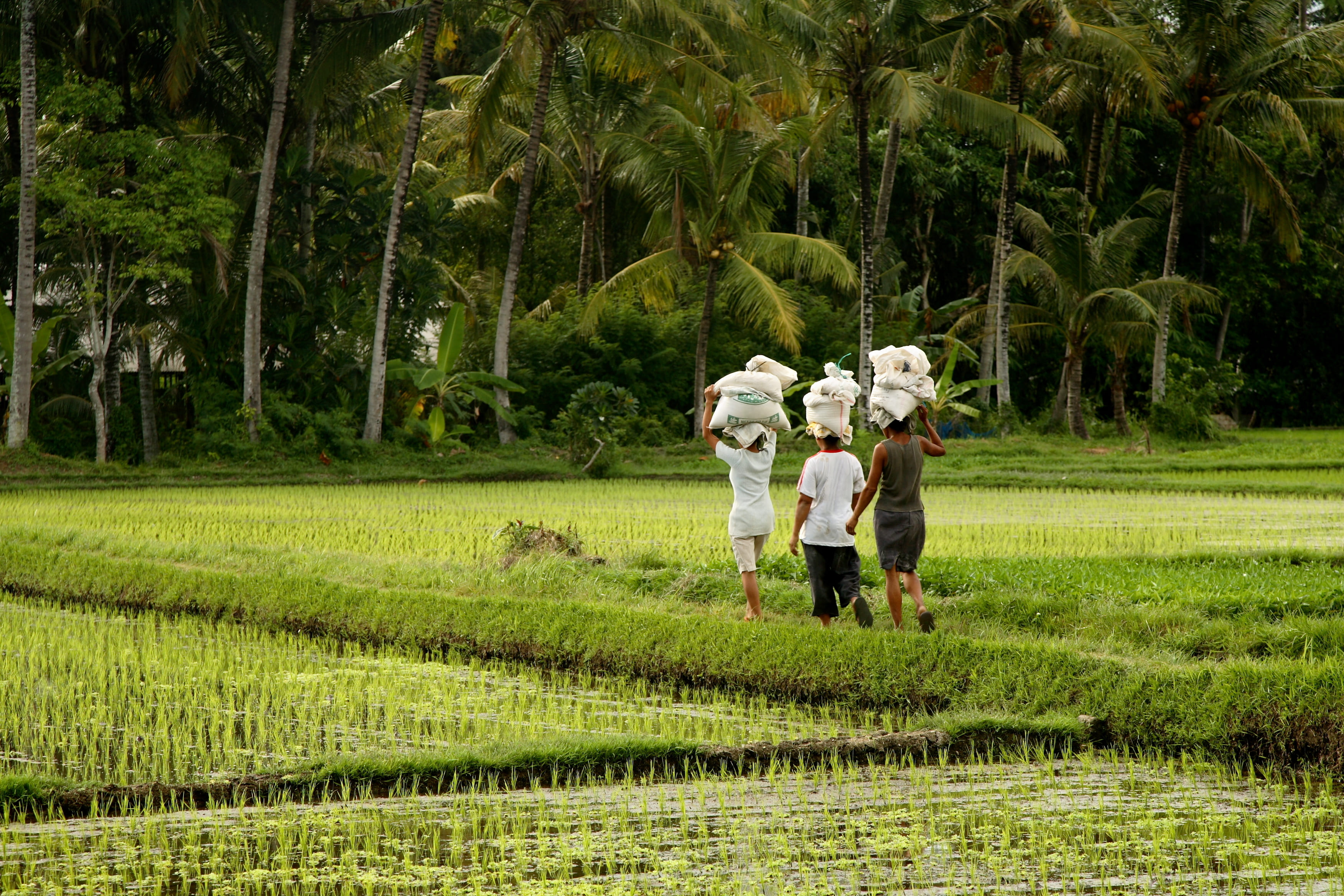
For Western tourists, QRIS does not always integrate directly with home-country banking systems. This is where local e-wallets become essential.
The two dominant players are GoPay (within the Gojek app) and OVO. These platforms are deeply embedded in daily life, used not only for payments but also for transport, food delivery, and services.
Setting up an account is relatively straightforward, but there are a few key requirements. You will need an Indonesian phone number (+62), which means purchasing a local SIM card. Once registered, you can verify your account using your passport, unlocking higher transaction limits, typically up to around IDR 20 million.
The real challenge for most foreigners is funding the wallet.
Without a local bank account, top-up methods include:
-
Paying cash at convenience stores like Alfamart or Indomaret
-
Linking selected international cards (availability varies)
-
Transferring funds via platforms like Wise or Revolut
Among expats, the last method is the most common. By transferring funds into Indonesia digitally and converting to Rupiah at competitive rates, users can bypass traditional banking friction and gain full access to the local payment ecosystem.
Once set up, an e-wallet effectively becomes your primary transaction tool, especially for small and mid-range spending.
Credit & Debit Cards: Convenience vs. Surcharges
International cards still play a major role in Bali, particularly in higher-end environments. Visa and Mastercard are widely accepted at hotels, beach clubs, supermarkets, and upscale restaurants.
However, reliance on cards comes with a cost.
Many businesses apply a 3% surcharge to credit card transactions. While this is often disclosed, it is easy to overlook, especially for frequent payments. Over time, this adds up significantly.
Another critical issue is Dynamic Currency Conversion (DCC). When paying by card, you will often be asked whether you want to be charged in your home currency or in Indonesian Rupiah.
The correct choice is always Rupiah.
If you select your home currency, the payment terminal applies its own exchange rate, which can include hidden fees of 5-7% or more. This is one of the most common and avoidable mistakes made by travelers.
Cards remain useful for larger transactions and convenience, but they are not the most cost-efficient option for daily spending.
When Cash is Still (A Minor) King
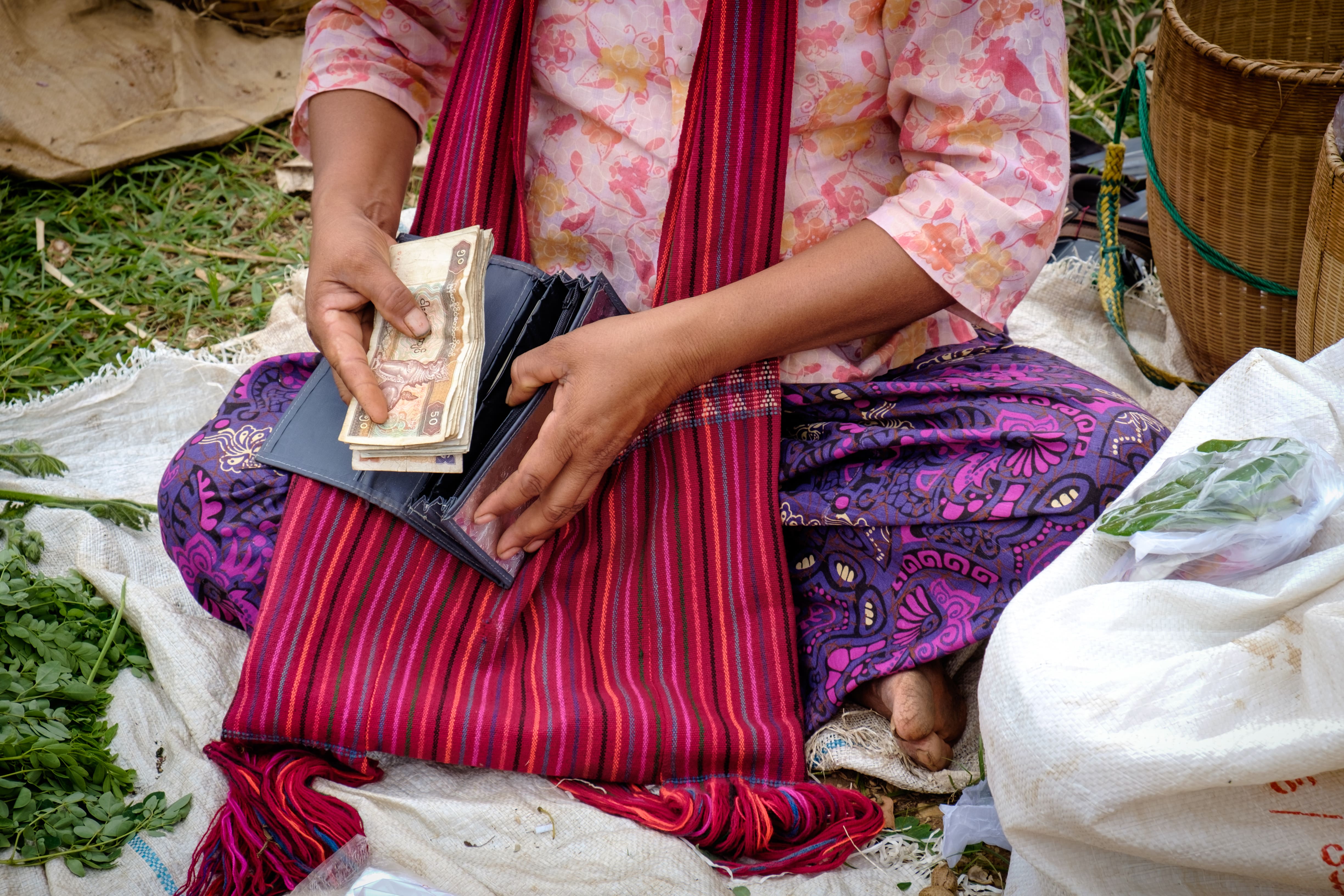
Despite the rapid digitalization, cash is not obsolete. It remains essential in specific situations where digital infrastructure either does not exist or is not reliable.
Tipping is one of the most common use cases. Private drivers, villa staff, and service workers often expect cash, as it is immediate and avoids platform deductions.
Cash is also necessary for:
-
Local community (banjar) contributions
-
Entrance fees to temples and waterfalls
-
Traditional markets (pasar)
-
Smaller roadside vendors
The importance of cash increases as you move away from South Bali’s main hubs. In areas like Munduk, Sidemen, or Kintamani, QRIS availability becomes inconsistent, and internet connectivity can be unreliable.
As a practical rule, carrying IDR 100,000 to 200,000 in small denominations is enough to cover most situations without overexposing yourself to cash risk.
ATM Safety & Scam Prevention
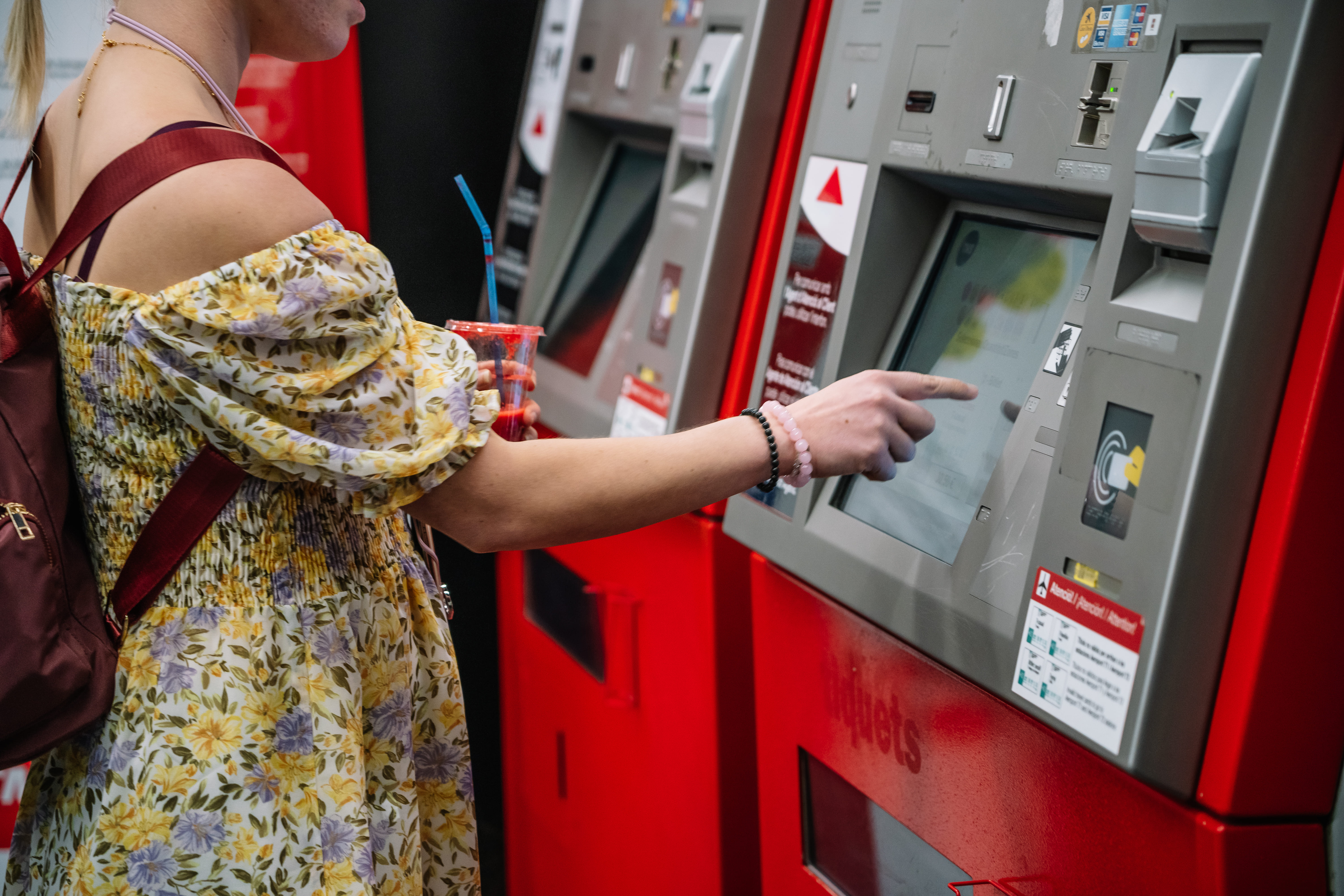
Withdrawing cash in Bali is generally safe, but it requires caution. Card skimming remains one of the most common financial risks for tourists.
The safest approach is to use ATMs located inside official bank branches, such as BCA, Mandiri, or BNI. These machines are monitored, well-lit, and significantly less likely to be tampered with.
Standalone ATMs,especially those located in convenience stores or quiet roadside areas, carry a higher risk and should be avoided.
When using any ATM:
-
Check for loose or unusual card slots
-
Cover your PIN while entering it
-
Avoid withdrawing large amounts in one transaction
Currency exchange presents another area of risk. Street-side money changers offering unusually high rates often rely on distraction or sleight-of-hand techniques during counting.
To avoid this, only use authorized money changers displaying the official “PVA Berizin” certification. These establishments follow regulated practices and provide transparent transactions.