





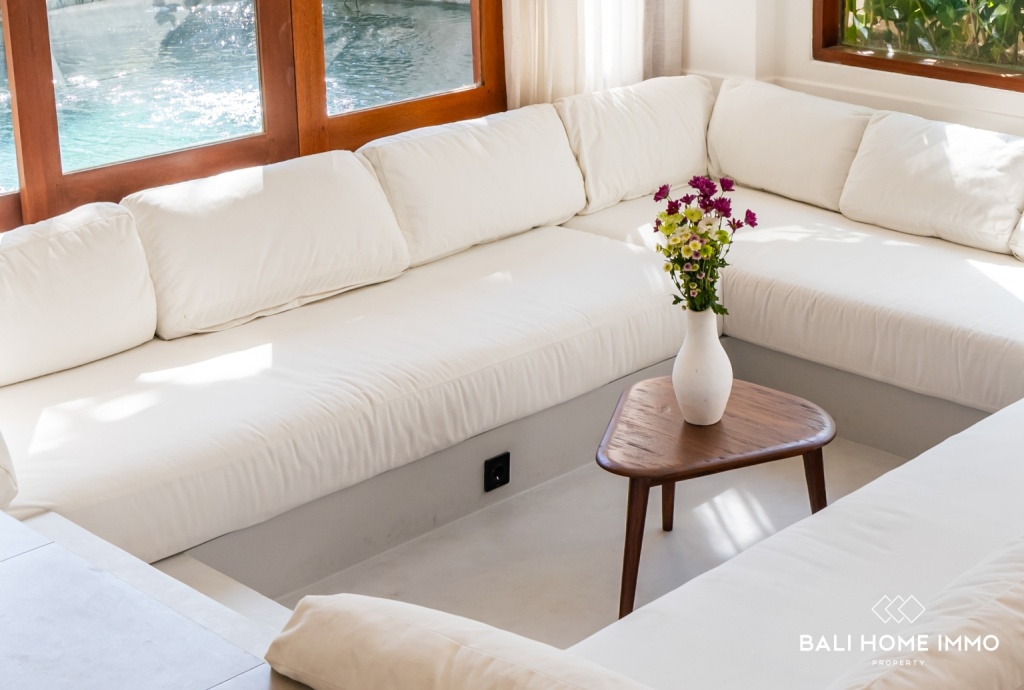
Let’s be honest: buying property in Bali is rarely just about spreadsheets. Most of the time, the dream starts with a feeling: the sun on your face at a beachside villa, a quiet morning in a lush garden, or the energy of a neighborhood filled with cafés and wellness spots.
These are the things that make people fall in love with Bali, but they are not always the same things that make a property a strong investment.
When we talk about lifestyle appeal, we are asking: “Would I actually enjoy living or vacationing here?”
When we look at financial performance, the question becomes: “Do the rental income and costs make sense for the price I am paying?”
The ideal property offers both. But before signing anything, lifestyle appeal and financial performance should still be evaluated separately.
Why Your Personal Connection Matters
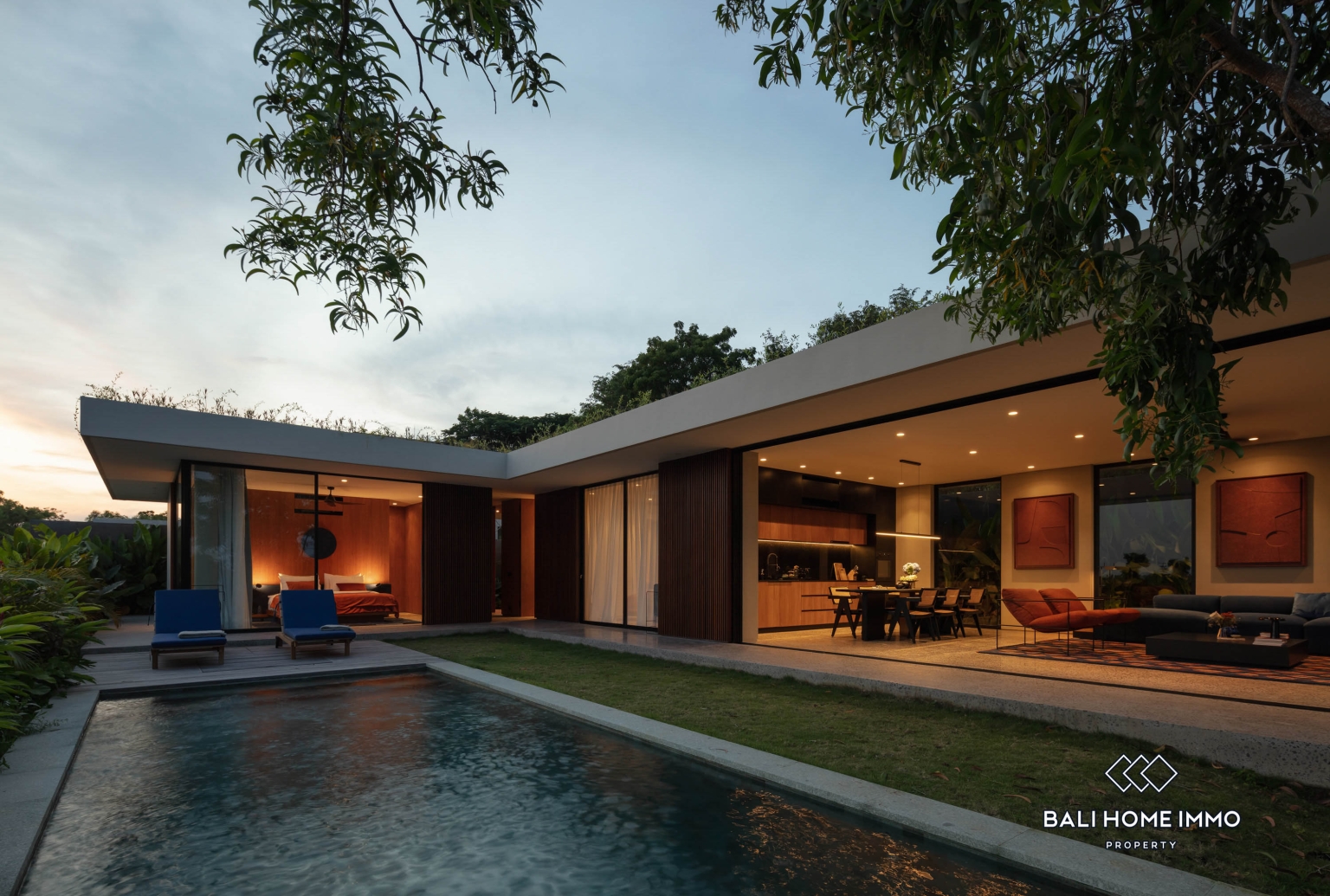
Lifestyle appeal is not just emotional. It can be one of the reasons guests choose your villa instead of another property nearby.
In Bali, that appeal often starts with location. Maybe it is being steps from the surf, waking up to rice-field views, or living close to cafés, restaurants, schools and wellness facilities.
Design matters too. Privacy, comfortable indoor-outdoor spaces, good ventilation, reliable air conditioning and functional layouts can all affect how enjoyable a villa is to live in and how easy it is to rent.
Bali Home Immo’s ROI analysis also highlights how micro-location can significantly influence rental performance. Road access, noise, parking, ventilation and overall property quality can make a difference even within the same neighborhood.
The tricky part is that “desirable” means different things to different buyers. You might prefer the energy of Seminyak, while someone else wants the quieter coastal atmosphere of Seseh. Pererenan offers a more residential feel, while Canggu attracts those who want to stay close to Bali’s lifestyle scene.
A villa can be beautiful without being the most profitable asset. If you are buying primarily for personal use, paying more for lifestyle value can make sense. The important part is understanding how much of the decision is emotional and how much is supported by investment data.
Looking Past the Big Numbers
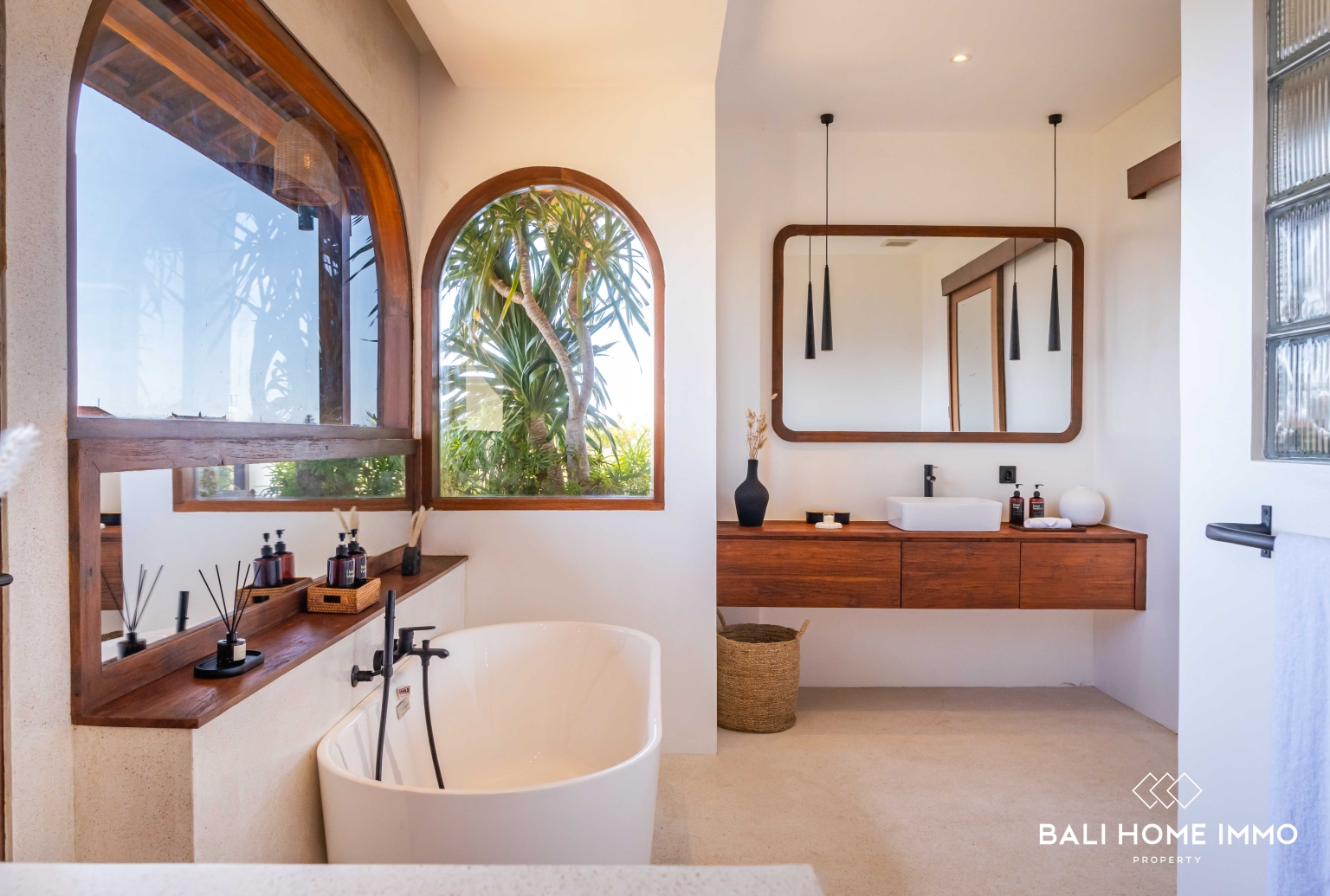
The first financial number most investors notice is gross rental revenue: the total income before expenses.
It is useful, but it does not tell you how profitable the property actually is.
Bali Home Immo distinguishes between gross yield and net yield. As a general benchmark, Bali villa gross rental yields are estimated at around 7% to 14%, although results vary depending on location, property type, purchase price and management.
That is why revenue should never be considered alone.
The purchase price is also not necessarily your full investment cost. Bali Home Immo recommends looking at the total investment cost, not only the purchase price.
Operating costs can include:
-
Property management
-
Staff
-
Electricity, water and internet
-
Pool and garden maintenance
-
Repairs
-
Booking and platform fees
-
Taxes and compliance costs
-
Insurance where applicable
Property management can require a planning range of around 20% to 30% of income, depending on the service structure.
Bali Home Immo also recommends setting aside around 2% to 4% of annual rental revenue for routine maintenance.
For comparing properties, use:
Gross Rental Yield = (Annual Rental Income ÷ Purchase Price) × 100
And for a more realistic picture:
Net Rental Yield = (Annual Income − Annual Operating Costs) ÷ Total Investment Cost × 100
Net yield is usually more useful because it shows what remains after the actual costs of operating the villa.
Personal use matters too. If you plan to stay in your villa during Christmas, New Year or other peak periods, those nights are removed from the rental calendar. That lifestyle benefit should therefore be included in your financial projections.

Choosing the Right Neighborhood for You
Every area in Bali behaves differently financially.
Recent rental data shows Seminyak, particularly the Oberoi area, generating around IDR 49 million per month on average between January and May. Over the same period, Canggu and Seseh recorded revenue growth of approximately 36.8% and 26.3% respectively.
Pererenan also showed consistent monthly growth.
However, the fastest-growing area is not automatically the best investment.
Bali Home Immo’s research notes that markets such as Canggu can combine strong demand with high competition. This makes property quality, pricing and micro-location especially important.
Seminyak has a different profile. Bali Home Immo gives an example of a well-located two-bedroom villa generating approximately USD 35,000 to USD 50,000 in annual gross income, with net returns around 7% to 12%, depending on the property and operation.
Guest profiles also affect performance. Bali Home Immo’s analysis of guest nationality and ROI by area explains that guest origin can influence ADR, length of stay and operational costs.
Short stays may generate higher nightly rates but require more cleaning and guest turnover. Longer stays can create more predictable occupancy with lower operational intensity.
The same research shows that Seminyak and Oberoi can achieve nightly rates around IDR 5.0–5.4 million, rising to around IDR 6.2 million in July.
But a higher ADR does not automatically mean a higher net return. The important question is how much it costs to generate that revenue.
Finding the Sweet Spot in Design and Leasing
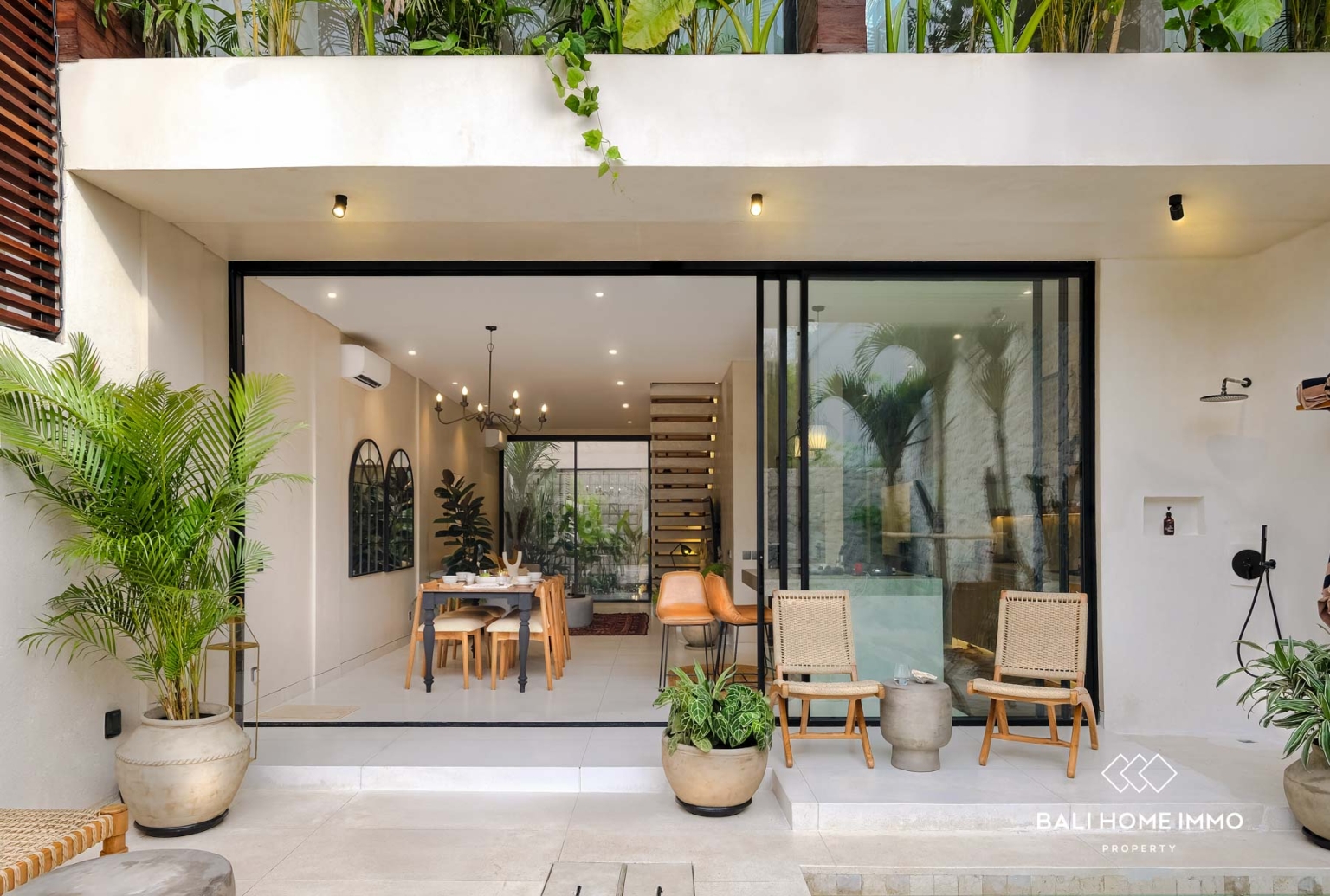
Two- and three-bedroom villas currently account for nearly 60% of sales, showing the strength of the mid-sized segment.
These properties appeal to couples, families and groups of friends while generally requiring less capital and operational complexity than larger villas.
Bali Home Immo’s ROI analysis also identifies strong demand in the two- and three-bedroom segment, although competition is also high.
Completed properties represented 63% of sales, while villas accounted for 90% of transactions, showing buyer interest in properties that can be inspected, used or operated immediately.
Larger villas can command higher nightly rates, but more bedrooms usually mean higher staffing, utility and maintenance costs. To justify those costs, the property needs clear advantages such as exceptional views, unique architecture, a prime location or strong entertainment spaces.
A Quick Word on the Lease
For leasehold properties, price should always be considered together with the remaining lease duration.
Bali Home Immo notes that leasehold agreements commonly run for around 25 to 30 years, although terms vary.
A simple comparison is:
Effective Annual Lease Cost = Purchase Price ÷ Remaining Lease Years
For example:
-
IDR 5B / 30 years = approximately IDR 166.7M per lease year
-
IDR 5B / 20 years = IDR 250M per lease year
The asking price is identical, but the effective cost is very different.
Extension conditions should also be reviewed carefully. Bali Home Immo recommends considering potential renewal costs and the overall cost of ownership, not simply the initial purchase price.
Finding the Balance
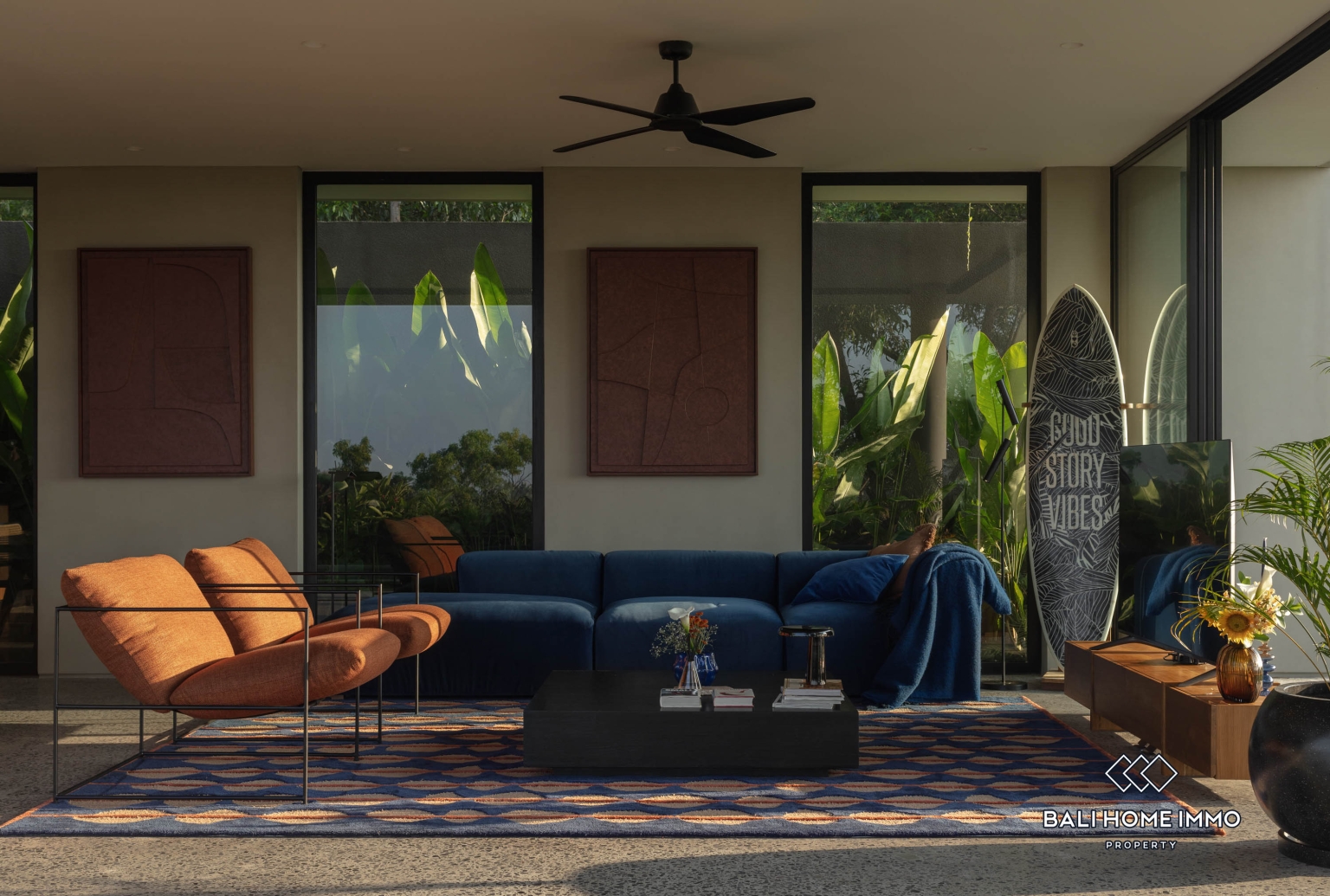
You do not necessarily have to choose between a lifestyle property and a financially sensible investment. Often, the same qualities that make a villa enjoyable to live in—good access, privacy, comfortable layouts and a strong location—also help rental and resale performance.
Before buying, an investor should be able to answer:
-
Is the revenue historical or projected?
-
What ADR and occupancy assumptions are being used?
-
What remains after operating expenses?
-
What is the estimated net yield?
-
How many lease years remain?
-
How much personal use is planned?
-
Who is the likely guest and future buyer?
-
Would the property still make sense without the emotional attraction?
A gross revenue figure tells you how much money comes in. Net yield tells you how efficiently the property turns your investment into income.
Bali offers opportunities for both lifestyle and investment, but the strongest purchases are usually the ones where the emotional appeal and the financial fundamentals support each other.